

Your mother maintains that she is okay. She has lived in the same house for three decades, her day-to-day is familiar to her, and she doesn’t want a fuss made over her. But you’ve seen the spoiled milk in the fridge, the stacks of unopened mail, and that unexplained bruise on her arm. As parents age and live alone, the line between “independent” and “in danger” can grow thin more quickly than one might think.
You aren’t overreacting. The Administration for Community Living states that nearly 14 million Americans age 65 and over reside on their own. Although many are able to thrive on their own, there are potential risks: falls, medication mixups, isolation, and skipped meals can quickly escalate when someone has no one else checking in on them.
Fortunately, you don’t need to move your parent out of their home or follow them around like a shadow to ensure they are safe. With the right combination of home alterations, assistive technology, local resources, and an accessible way of keeping in contact, you can help your elderly parent living alone maintain both independence and safety. Here is what you can do.
Signs Your Aging Parent Is Struggling Living Alone
Some indications are clear. Others may take some effort to spot, or only come to light with a visit or a phone call that lasts longer than usual. Watch out for:
Physical indicators:
- Bruises, burns, or lacerations that have no explanation
- Significant changes in weight
- Dirty clothing or poor hygiene
- Rotten food in the refrigerator or an empty kitchen
Changes in behavior:
- Not engaging in activities or social events
- Missing appointments, bills, or forgetting to take medications
- Forgetfulness about time or places
- Signs of stress from being alone
The state of the house:
- Bills or newspapers not picked up from the driveway
- Pots on the stove or burnt marks on countertops
- Unkept grass or unrepaired damage outside
- Odd smells inside the home
If these seem familiar, take a breath and don’t lose hope, but don’t brush them off either. Our guide on recognizing when your aging parent needs help at home explains how these warning signals can help you determine whether it might be time to make some changes.
How to Make Their Home Safer
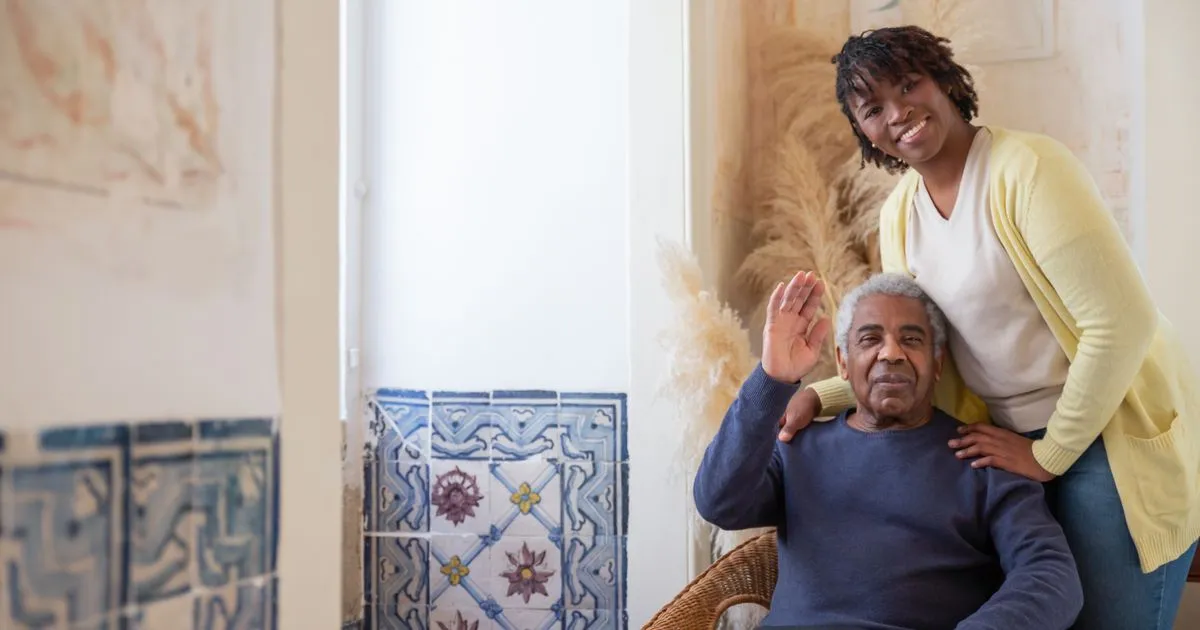
According to AARP home safety research, approximately 90% of homes in the United States aren’t built with seniors in mind. However, some small updates can reduce potential dangers in the home.
Bathroom (the highest-risk area of the house):
- Put in grab bars by the toilet and shower
- Add non-skid strips or mats in and on the floor in the bathroom
- Use grab bars rather than towel bars, as the latter aren’t built to support body weight
- Put in a shower chair or walk-in shower
Kitchen:
- Shift commonly used food and cooking utensils to counter height so they can be reached without bending over
- Replace knob-style stove controls with automatic shut-off models
- Make sure lighting is bright enough to read labels and expiration dates
Throughout the home:
- Eliminate throw rugs or tape them to the floor with double-sided tape
- Put in motion-sensor nightlights in hallways, bedrooms, and bathrooms
- Ensure stairs have a railing on both sides
- Ensure there is a clear path to the bathroom from the bedroom
We have a full room-by-room guide you can use in our fall prevention guide for elderly parents at home.
Technology That Helps You Monitor an Aging Parent Living Alone
Technology can’t replace people, but the right technology can help close the gap between when you can visit and when they need help without making your parent feel surveilled.
Medical alert systems are the highest-impact technology you can use. There are wearable systems like pendants or smartwatch-style alarms, as well as fall-detection systems that call for help automatically if a parent goes down. The National Institute on Aging recommends personal emergency response systems for anyone living alone with health risks.
Smart home sensors can track activity without video. Put motion sensors in rooms that are important for your parent’s well-being, like the kitchen, bathroom, or bedroom. You can then track how your parent usually behaves and know when something is off. Are they typically in the kitchen by 10 a.m.? The system can flag this as an anomaly if that doesn’t happen.
Medication management tools can vary from simple pill boxes with alarms to automated dispensers that only open at the time your parent needs the pill, alerting you if they miss a dose.
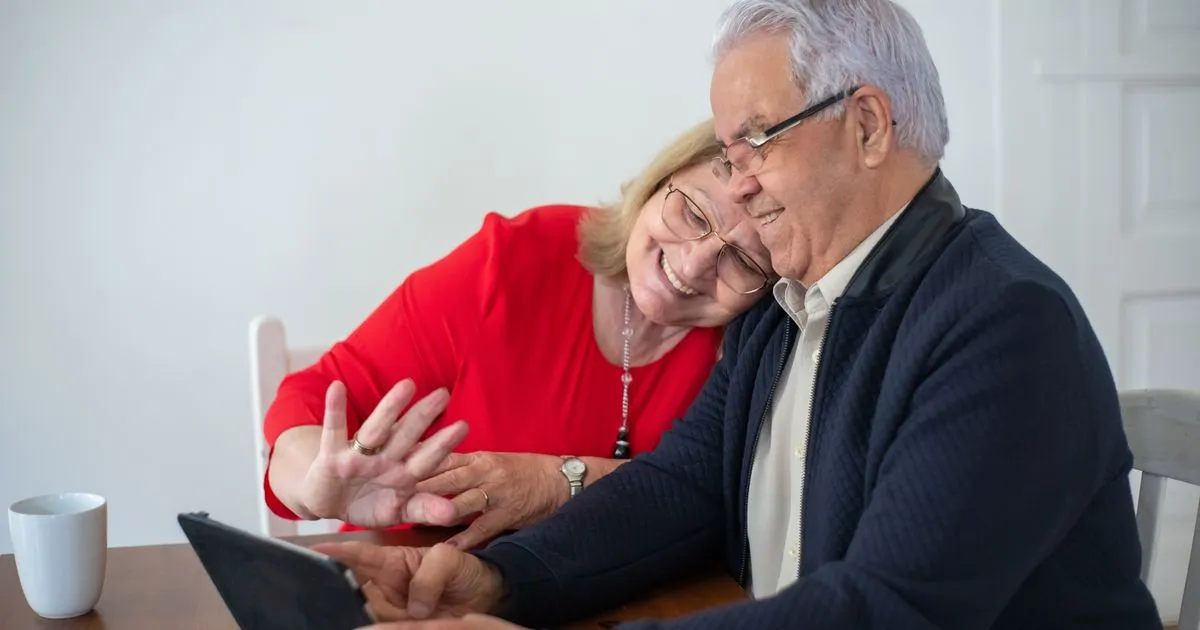
Video calling devices like tablets with simplified interfaces can help make video calling easier for aging parents who may be nervous about technology. For more info on how to get them started, read our guide to helping elderly parents with technology.
What about cameras? Cameras in the home are a sensitive topic, as many older parents don’t want to feel like someone is watching them. If you feel this is a necessity, limit cameras to the entryway or common areas, and always get your parent’s explicit consent first.
Build a Local Support Network You Can Trust
No amount of tech can replace a human who can check in on them, drive them to the doctor, and tell you what they look like and sound like these days. If you live out of town, setting up a local support network is essential.
Start with people your parent already knows:
- Neighbors who see your parent outside on a regular basis
- Faith community and church groups
- Friends who might be at the card or exercise group regularly with them
- A trusted mail carrier or grocery delivery person
Then, add professional help where you have gaps:
- A geriatric care manager can coordinate doctors’ visits, home safety assessments, and care plans. You can find one through the Aging Life Care Association, which maintains a directory.
- A home health aide — even just a few hours per week — can help with showering, meals, or medication reminders.
- Meal delivery services like Meals on Wheels provide nutrition and a daily wellness check at your parent’s door.
Create a single-page contact sheet with names, phone numbers, and roles. Share it with everyone on the list so they know who else to call if something seems wrong. Keep a copy on your parent’s refrigerator and in your own phone.
Create a Check-In Routine That Catches Problems Early
Random contact is better than nothing, but a structured routine is better than random contact. Here’s a check-in schedule that balances peace of mind with respect for your parent’s independence:
Daily (5 minutes): A morning phone call or text. “How did you sleep? What’s on the menu today?” Keep it casual but note changes in speech, energy, or mood. If they aren’t reachable at the usual time, have a backup contact who can swing by for a visual check.
Weekly (15–20 minutes): A more in-depth conversation covering medications, upcoming doctor visits, grocery needs, and home maintenance. Ask questions that elicit more than a yes/no response: “What were your favorite parts of this week?” tells you more than “Are you OK?”
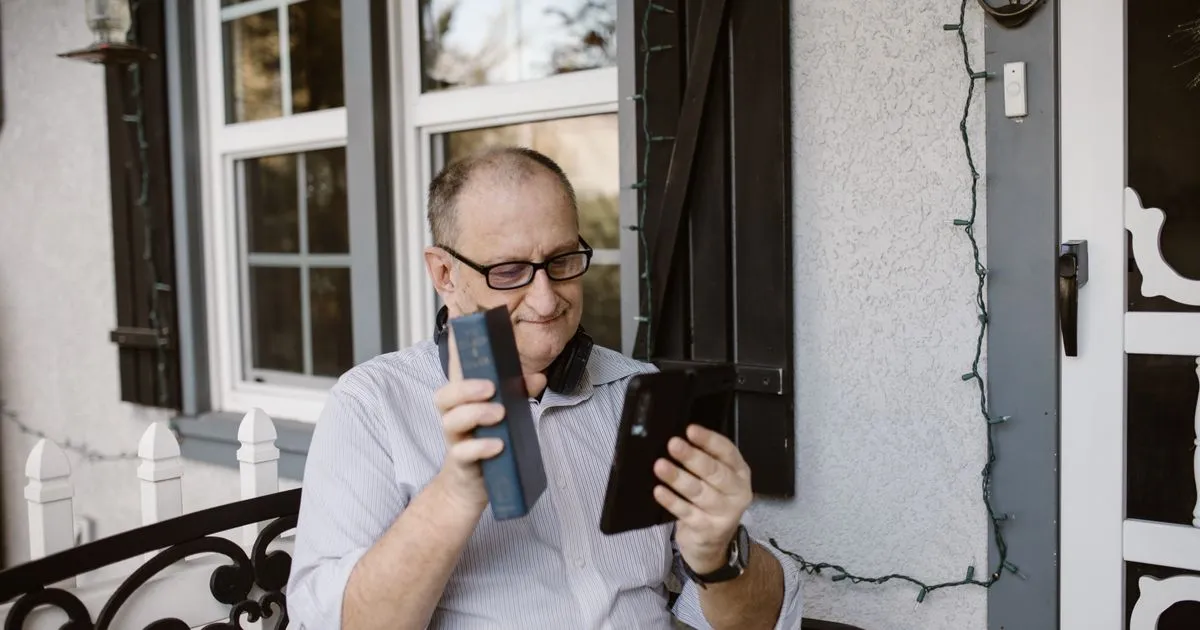
Monthly (in-person or virtual walkthrough): Walk through the home and note what’s in the fridge, look at the medication bottles, and glance at the mail. If you can’t visit, a video call where you ask your parent to show you the kitchen works surprisingly well.
Quarterly: Assess the big picture. Do the current systems meet your parent’s needs? Have medical needs changed? Are home modifications still needed and working?
A routine allows you and your parent to settle into a rhythm, making it easier to identify changes over time. When you begin to get a sense of what is normal for your parent, it will be easier to spot when something shifts. For more ideas on what to discuss, check out our piece on what to talk about with aging parents.

How to Fight Loneliness When Your Parent Lives Alone
The threat to an aging parent living alone is more than falls and medication errors. Loneliness is a serious risk, and not just emotional. The CDC reports that social isolation among older adults carries health risks equivalent to smoking 15 cigarettes a day.
Encourage (don’t force) social activities. Senior centers, churches, walking groups, and volunteer opportunities give your parent an activity and a sense of purpose. The key is finding something that matches their interests rather than what’s available. If they resist, our guide to helping your aging parent make friends offers practical strategies.
Help them maintain existing relationships. Some parents have stopped seeing friends not for lack of willingness, but due to logistics. Maybe your mom doesn’t want to drive at night, or she feels self-conscious about changes that have come with aging. Arrange rides, bring the group to her home, or encourage her to call a friend she hasn’t talked to in a while.
Keep the family connection tangible. Regular phone calls are important, but physical reminders of family help a home feel less empty. Fill their space with photographs, keep the grandkids’ drawings on the fridge, and send a monthly family newsletter from Hug Letters that arrives right in the mailbox — something to hold, look forward to, and share with visitors.
Watch for signs of depression. Loneliness and depression aren’t the same thing, but the two tend to feed into one another. If your parent has lost interest in previously enjoyed activities, has started sleeping a lot more or less than usual, or says they don’t see the point in it all anymore, talk to their doctor. Depression in older adults is treatable but frequently goes undiagnosed.
When Is It No Longer Safe for an Elderly Parent to Live Alone?
This is the question nobody wants to address. But ignoring it doesn’t stop it from happening — it only leaves families unprepared, and waiting until a crisis forces a move prevents anyone from planning a thoughtful transition.
Consider a transition when:
- Your parent is having multiple falls, or falls resulting in physical injuries
- They are consistently forgetting to take essential medications
- Significant cognitive decline is creating unsafe circumstances (leaving the stove on, wandering, getting lost)
- They can no longer manage personal hygiene independently
- Malnutrition or significant weight loss is evident
- They are unable to leave the home during an emergency
How to have this conversation: Start with love rather than logic. Try “I’m worried about your safety living here” instead of “You can’t live alone anymore.” Ask about what is making their daily routine more difficult rather than telling them what they can’t do. If the conversation stalls, our guide on what to do when elderly parents refuse help provides strategies for navigating this while respecting their autonomy.
Consider all of your options. A move doesn’t have to mean a nursing home. Sometimes it means moving to an independent living community, living with a family member, or bringing someone into the home on a full-time basis. Our complete guide to moving parents to assisted living walks through the whole process.
Frequently Asked Questions
Can family members be held liable for an elderly parent living alone?
Depending on where in the country you live, the answer could be yes. Currently, about 30 states have filial responsibility laws that could hold adult children accountable for the care of their aging parents. In practice, these provisions tend to be enforced infrequently, generally only involving unpaid nursing home bills or Medicaid recovery. If you’re concerned about liability, consult an elder law attorney in your parent’s state. The National Academy of Elder Law Attorneys can help you find one.
How often should you check on aging parents who live alone?
At minimum, a call or text at least once a day, and a longer conversation each week. Depending on your parent’s health condition, cognitive status, and your proximity to them, you may want to check in more often. The structured check-in routine outlined above helps you stay consistent without being overly intrusive.
What are the biggest risks for elderly parents living alone?
The CDC reports that one in every four Americans aged 65 and over falls each year — falls are the leading cause of injuries in older adults. Other serious risks include medication mismanagement, malnutrition, social isolation, scam victimization, and delayed emergency response. Many of these risks are substantially reduced with home modifications, safety technology, and a strong support network. For more on fraud prevention, see our guide to protecting elderly parents from scams.
Should I get a medical alert system for my parent who lives alone?
Yes, a medical alert system is one of the most effective safety tools for any senior living alone. Today’s systems go well beyond the stereotypical pendant — many offer automatic fall detection, built-in GPS tracking, and two-way audio communication. When choosing a system, look for 24/7 monitoring, waterproof wearability (most falls happen in the bathroom), and cellular connectivity so it works even without Wi-Fi.
Keeping Them Safe Without Taking Over Their Life
Looking after an aging parent who lives alone isn’t about taking control — it’s about offering support and safety they probably aren’t building for themselves. The goal is a situation where they can still live the way they want, and you can enjoy the assurance that someone will notice if something goes wrong.
Start with something small. Pick one idea from this guide — get grab bars installed, sign up for a medical alert system, or create a schedule of regular check-ins — and build from there. The families who navigate this best aren’t those who try to address everything at once. They build a system, adjust it as needs change, and keep the conversation going.
Your parent may never fully admit they need assistance. That’s OK. What matters is that help is there when they need it. And if you’re managing this from across the country, our long-distance caregiving guide can help you bridge the gap.

About Martin Gouy
Martin is the founder of Hug Letters. Hug Letters is a family newsletter for grandparents. Every month, grandparents receive a heartwarming newspaper with photos and stories from the whole family.