

Your grandchild used to beg to spend weekends at your house. Now, at thirteen, they answer your calls with one-word replies and always seem busy when you suggest getting together. You wonder if you did something wrong. You wonder if they still care. And late at night, you find yourself asking the question that frightens you most: at what age do grandchildren lose interest in grandparents?
The answer is both comforting and complicated. Research shows that most grandchildren begin to naturally pull away between ages ten and seventeen—not because they stop loving you, but because their developmental needs are changing. The good news? This drift is not inevitable. With the right approach, you can maintain a meaningful connection through every stage of your grandchild’s life.
This guide will walk you through when and why the relationship typically changes, what research tells us about the lasting value of grandparent involvement, and specific strategies that work for keeping your bond strong even when your grandchild is navigating the choppy waters of adolescence.
When Does Interest Typically Decline?
The Pre-Teen Shift (Ages 10-13): Social Priorities Change
Around fourth or fifth grade, something fundamental changes in children’s social worlds. Peer relationships move from background to foreground. Where a seven-year-old might happily skip a friend’s birthday party to spend the weekend with Grandma, a twelve-year-old feels genuine distress at the thought of missing social time with friends.
This is the age when you might notice:
Shorter phone calls. The grandchild who used to chat for twenty minutes now asks if they can call you back later. Sometimes they forget.
Less enthusiasm for traditional activities. Board games and baking cookies start to feel “babyish.” They want different things now, but they may not know how to tell you.
More time on devices. They text friends during your visits. They check social media while you are mid-sentence. It feels rude, but to them, it is social survival.
Scheduling conflicts. Soccer practice, drama rehearsal, friend hangouts—suddenly your grandchild’s calendar fills up, and visits get rescheduled or shortened.
Developmental psychology tells us this is healthy. Children between ten and thirteen are building their first real independence. They are learning to navigate social hierarchies, manage friendships without constant adult mediation, and develop identities separate from family. Grandparents who understand this shift—and adapt their approach—can stay relevant during this transition. Those who resist it or take it personally often find the distance growing wider.
The Teenage Independence Phase (Ages 14-17): Peer Relationships Take Center Stage
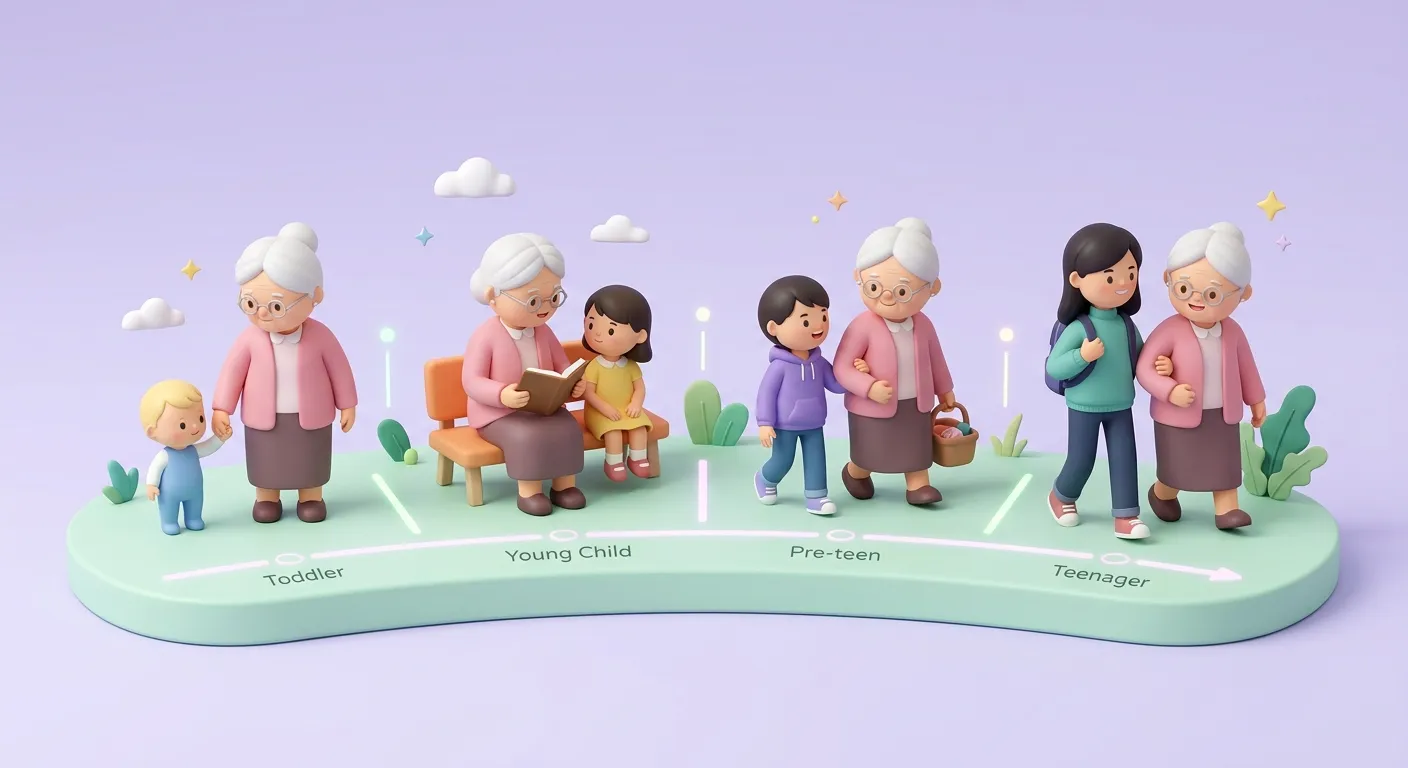
If the pre-teen years bring a gentle pulling away, adolescence can feel like a sudden drop-off. Teenagers are biologically wired to separate from their families. Their brains are rewiring to prioritize peer approval and independence. Time with grandparents can feel like an obligation, something that competes with the urgent social and emotional work of becoming an adult.
You might see:
Reluctance to visit. What used to be easy now requires negotiation. Your teenage grandchild agrees to come over but spends most of the visit texting or asking when they can leave.
Surface-level conversations. When you ask how school is going, you get “fine.” When you ask about friends, you get “good.” The deep talks you used to have feel like ancient history.
Different interests. They listen to music you do not recognize. They watch shows you do not understand. They use slang that sounds like a foreign language. The common ground feels harder to find.
Physical distance. Some teenagers stop initiating hugs or sitting close. This is not rejection—it is a normal part of developing body autonomy and adult boundaries.
Nationally representative studies show that adolescents report less frequent contact with grandparents compared to younger children. One large-scale study found that adolescent-grandparent closeness often decreases during the teenage years, particularly between ages fourteen and seventeen, before stabilizing in young adulthood.
Why This Is Developmentally Normal (Not Personal Rejection)
Here is what matters most: your grandchild’s pulling away is not about you. It is about them.
Adolescent development requires a certain amount of separation from family. Teens need to test boundaries, make independent choices, experience consequences, and build confidence in their own judgment. This process is uncomfortable for everyone involved, but it is necessary.
Psychologists call this “individuation”—the gradual process of becoming a distinct person with your own identity, separate from your parents and extended family. Teenagers who successfully navigate individuation become more emotionally healthy adults. Those who do not often struggle with dependency, anxiety, or difficulty making decisions.
Your role as a grandparent during this phase is not to prevent separation—that would be harmful—but to remain a steady, loving presence even when your grandchild seems uninterested. Think of yourself as a lighthouse. You stay in one place, offering light and guidance, while your grandchild sails into deeper waters. They may drift out of sight for a while, but they know where you are if they need you.
Why Grandchildren Drift Away
Understanding the “why” helps you respond with empathy instead of hurt.
Increased Social Activities and Commitments
Modern childhood is scheduled. Between school, homework, sports, music lessons, part-time jobs, volunteer hours for college applications, and social activities, many teenagers have less free time than full-time adults.
When families lived in multigenerational households or close proximity, grandparents were woven into daily life. Visits did not require scheduling—they happened naturally. Today, most families live farther apart, and every interaction requires intentional planning. When a teenager’s schedule is packed, time with grandparents often gets bumped to make room for what feels more urgent.
This is not a value judgment on their love for you. It is a time management reality. The grandchildren who see you regularly are often those whose parents actively prioritize and protect grandparent time, not those who love you more.
Technology and Communication Style Gaps
Your grandchild lives on their phone, but not the way you might think. They rarely make voice calls. They text, use voice memos, send photos on Snapchat, message on Instagram, play games together online, and communicate in ways that feel natural to them but foreign to many grandparents.
When you call and they do not answer, it is often not rudeness—they genuinely do not use their phones for calls. When you send a long email and get no response, it is not disrespect—email feels formal and outdated to them.
Many grandparents feel hurt by these communication mismatches. But here is the truth: if you want to stay connected, you may need to meet your grandchild where they are. That might mean learning to text, sending a quick voice message, or understanding that three fire emojis and a “lol grandma” is their version of “I love you and that made me smile.”
Geographic Distance Compounding the Problem
Distance makes everything harder. When you live nearby, you can drop in for twenty minutes, attend a soccer game, or share a quick meal together. These small, frequent touchpoints build connection without requiring major scheduling.
When you live hours or states apart, every visit becomes a production. Travel, time off work, hotel costs, and coordination with multiple family members turn simple connection into a logistical challenge. For busy teenagers, committing to a weekend visit with grandparents can feel overwhelming when they have a test Monday, a project due Tuesday, and plans with friends Friday night that they do not want to miss.
Research consistently shows that geographic distance is one of the strongest predictors of grandparent-grandchild relationship quality. Closeness—both emotional and physical—declines as distance increases.
Lack of Shared Activities That Grow With the Child
Many grandparents master the art of connecting with young grandchildren. You know how to build blocks, read stories, bake cookies, and watch cartoons. But when those grandchildren turn thirteen, fifteen, seventeen, you may not know what to do together anymore.
The activities that worked when they were six do not work when they are sixteen. If you do not adapt, visits become awkward. You sit in the same room, struggling for conversation, waiting for the visit to end so both of you can stop feeling uncomfortable.
Grandparents who stay connected through adolescence learn new skills. They watch your grandchild’s favorite show so they can discuss it. They learn about your grandchild’s hobbies—gaming, coding, photography, theater, whatever it is—and show genuine interest. They stop planning visits around what they want to do and start asking what the grandchild would enjoy.
This requires humility and flexibility. But it works.
Research: Do Children Grow Up Happier with Grandparent Involvement?
The short answer is yes. The long answer is even more compelling.
Studies on Emotional Resilience and Identity Formation
Multiple studies show that children with involved grandparents demonstrate higher emotional resilience, better problem-solving skills, and greater self-esteem. One significant study published in The Gerontologist found that adolescents who felt close to their grandparents reported fewer emotional and behavioral problems and higher levels of prosocial behavior.
Why? Grandparents offer something parents cannot: emotional distance with deep love. When a teenager is frustrated with their parents—which happens constantly during adolescence—grandparents can be the safe adult who listens without judgment, offers perspective without lecturing, and loves unconditionally without the intensity of the parent-child power dynamic.
Research on identity formation shows that grandparents help adolescents understand where they come from, what values their family holds, and what strengths run in their lineage. Teenagers who know their family stories show higher resilience when facing challenges. They draw on a sense of “this is who my people are, and I come from strong stock.”
The Unique Role Grandparents Play That Parents Cannot Fill
Parents are responsible for discipline, homework, rules, and preparing their children for adulthood. This necessary work creates tension. Grandparents, freed from daily parenting responsibilities, can focus on relationship.
You can be the adult who:
Listens without fixing. When your grandchild complains about school stress, you do not need to solve it. You can just listen and say, “That sounds really hard.”
Shares perspective. You have lived through decades your grandchild cannot imagine. You can normalize their struggles: “Your mom felt the same way when she was fifteen.”
Offers unconditional acceptance. Parents have to correct behavior. You get to love your grandchild exactly as they are, purple hair and all.
Tells family stories. You are the keeper of history. You can tell your grandchild about the time their dad failed algebra, their aunt ran away from home at sixteen and came back three hours later, or the family business that failed before the one that succeeded. These stories build perspective and resilience.
A study published in Journal of Family Issues found that grandparents who shared family stories and historical knowledge significantly strengthened their grandchildren’s sense of identity and family belonging.
Health Benefits for Grandparents Who Stay Connected
The research is not one-sided. Grandchildren are not the only ones who benefit from close relationships.
Studies consistently show that grandparents with strong grandchild relationships report:
Lower rates of depression. A study from Boston College found that emotionally close relationships between grandparents and adult grandchildren reduced depressive symptoms in both generations.
Greater sense of purpose. Feeling needed and valued contributes to psychological well-being in older adults.
Increased longevity. One study published in Evolution and Human Behavior found that grandparents who cared for their grandchildren had a lower mortality risk compared to those who did not.
Better cognitive function. Regular social interaction with grandchildren can help keep the brain sharp and delay cognitive decline.
The takeaway? Investing in your relationship with your grandchildren is not just good for them. It is good for you.
Strategies for Grandparents: Staying Relevant Across Ages
Now for the practical part. How do you actually stay connected when your grandchild is pulling away?
Adapting Activities to Match Developmental Stages
What worked when they were eight will not work when they are fourteen. Here is how to adapt:
For pre-teens (ages 10-13):
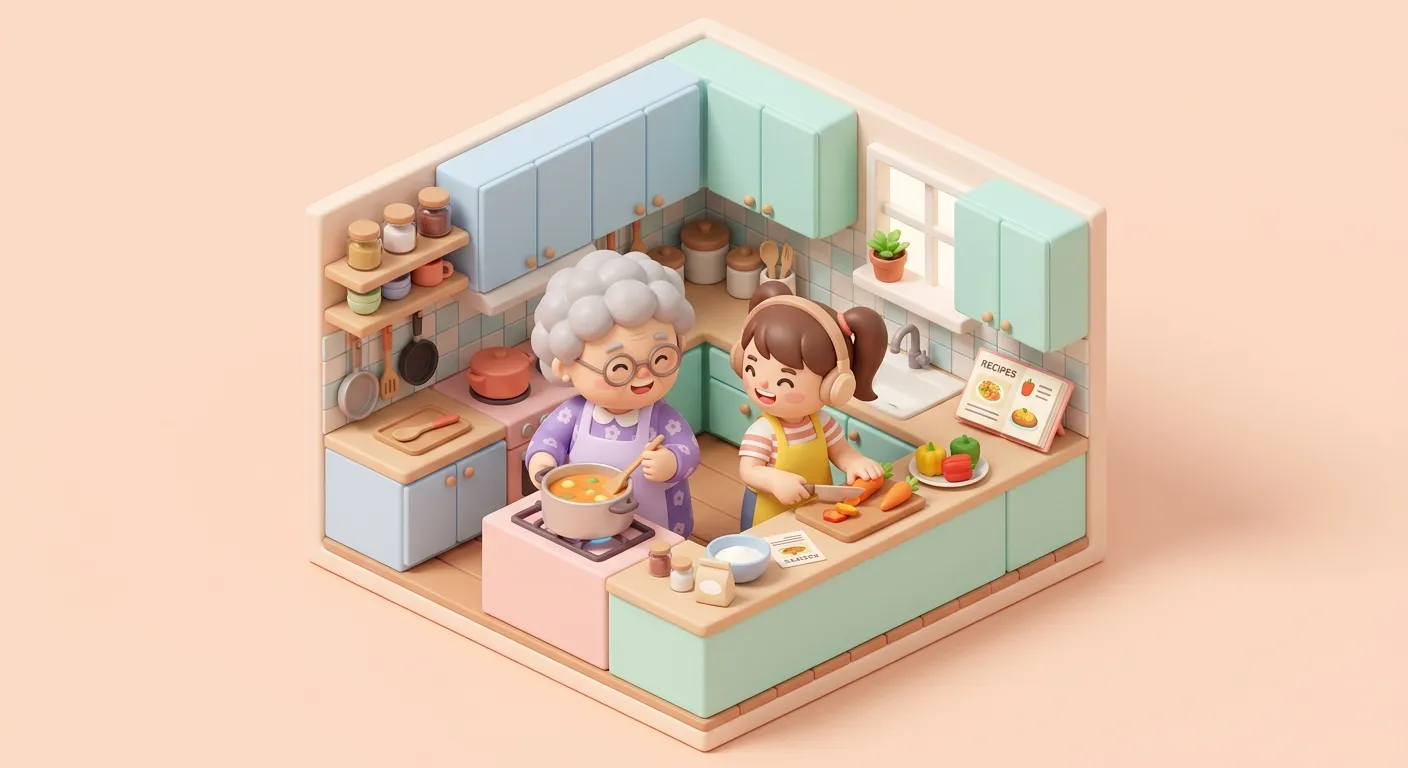
Move from child-focused activities to activities that feel more grown-up. Instead of coloring, try cooking a real meal together. Instead of cartoons, watch a movie they choose. Instead of toys, offer experiences—mini golf, escape rooms, trampoline parks, or learning to drive a golf cart on your property.
Ask questions that show you see them as maturing: “What do you think about that?” instead of “Isn’t that fun?” Give them more control over how you spend time together.
For teenagers (ages 14-17):
Shift from activities to conversations, and from directing to following their lead. Let them teach you something. Ask them to show you how their favorite video game works. Watch a YouTube channel they love and ask them to explain why it is funny. Let them pick the restaurant.
Teenagers crave being taken seriously. When you ask their opinion on real things—politics, family decisions, current events—and genuinely listen, you signal respect. That builds connection.
For young adults (ages 18+):
Transition to peer-like interactions. Share your own struggles and vulnerabilities. Ask for their advice. Treat them like the adults they are becoming. This is when the relationship can shift from “grandparent and child” to “two adults who love each other.”
Learning to Text, Video Call, or Meet Grandchildren Where They Are
If your grandchild does not answer phone calls, stop calling. Ask them how they prefer to communicate, then do that.
For many teenagers, texting works best. Keep texts short. Use emojis—they soften tone and show effort. Send photos of things that made you think of them: “Saw this at the store and thought of you.” “Remember when we did this?”
If they use social media, ask if you can follow them. Do not comment on every post—that feels invasive. But liking a photo now and then shows you are paying attention.
Video calls can work well if you schedule them and keep them short. Twenty minutes of focused conversation beats an hour of awkward small talk.
Some grandchildren prefer voice memos. They can record a quick message while walking to class and listen to yours while getting ready for bed. It feels less formal than a call but more personal than text.
The key is flexibility. Meeting them where they are shows respect for their communication style and removes barriers to connection.
Finding Shared Interests (Not Forcing Your Hobbies on Them)
Many grandparents make this mistake: they want their grandchildren to love what they love. You want them to enjoy gardening, knitting, woodworking, or fishing because those activities matter to you.
But connection happens when you care about what matters to them, not the other way around.
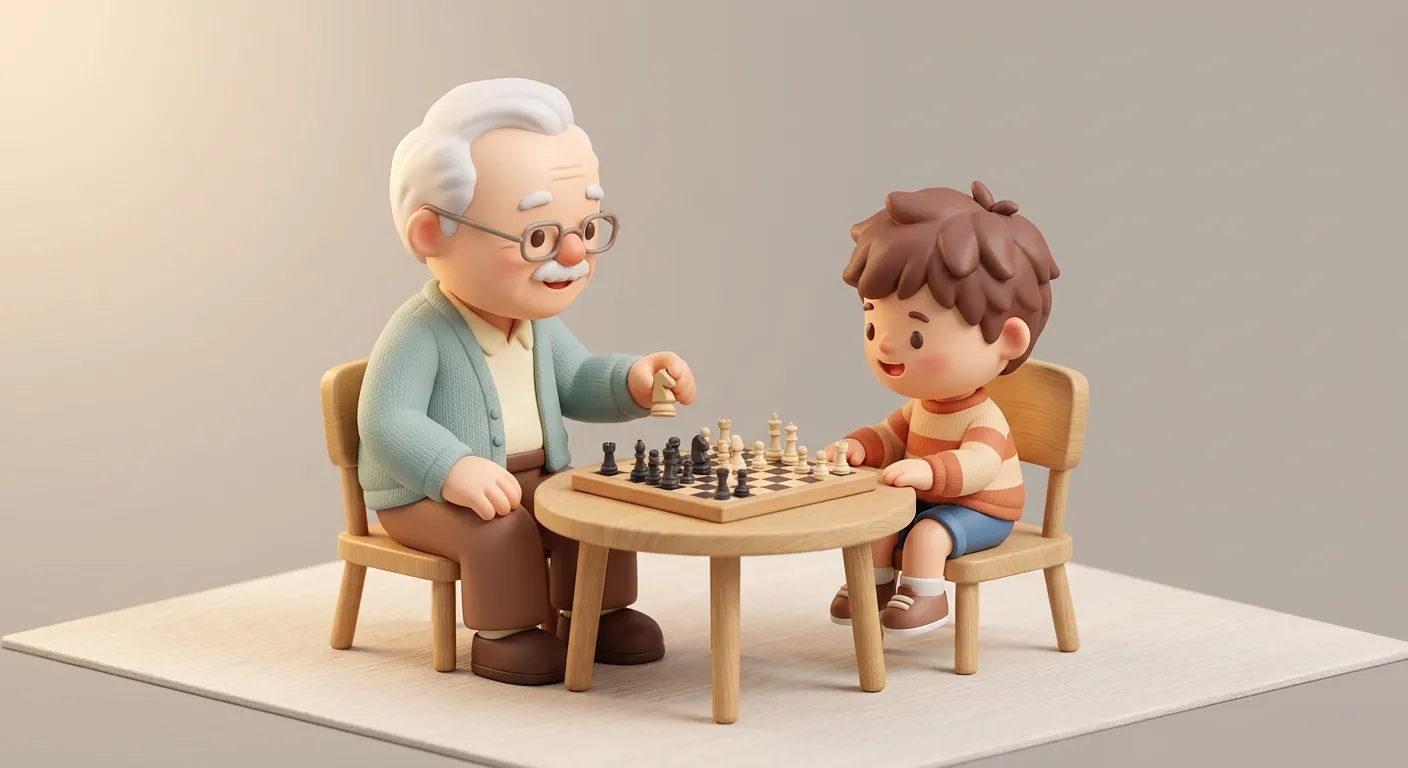
Ask questions. What do they love right now? What do they spend time thinking about? Then show genuine curiosity.
If they love gaming, ask them to teach you about it. You do not have to play—though some grandparents do—but you can watch them play and ask questions. “What is your strategy here?” “What makes this game different from others?”
If they love music, ask them to make you a playlist. Listen to it. Tell them which songs you liked and why.
If they are into sports, fashion, theater, coding, art, or activism, learn enough to have a real conversation. Read one article about their interest. Watch one YouTube video. Show up to one event, even if you do not fully understand it.
Your grandchild does not need you to become an expert. They need you to care enough to try.
The Power of Being a “Safe Adult” Outside the Parent-Child Dynamic
One of the most valuable roles you can play is being the adult your grandchild can talk to when they cannot talk to their parents.
Teenagers often need advice, support, or simply someone to listen. But asking parents feels risky. Parents have authority. Parents worry. Parents might overreact, impose consequences, or take away freedoms.
Grandparents can be different. You have less power, which paradoxically gives you more influence. When a teenager knows you will not punish them, lecture them endlessly, or immediately tell their parents, they might actually open up.
This does not mean keeping dangerous secrets. If your grandchild is in real danger—talking about suicide, being abused, using serious drugs—you must intervene. But for the everyday struggles of adolescence, you can offer a listening ear without judgment.
Say things like:
“That sounds really hard. What do you think you will do?”
“I remember feeling that way when I was your age. It gets easier, I promise.”
“Do you want advice, or do you just need someone to listen?”
Being a safe adult means your grandchild knows you love them no matter what. They can tell you about the bad grade, the fight with a friend, the crush that did not work out, or the mistake they made, and you will not love them less.
That is powerful. That keeps them coming back.
Strategies for Parents: Facilitating the Bond
Parents play a critical role in maintaining grandparent-grandchild relationships. If you are a parent reading this, here is how you can help.
Creating Regular Touchpoints (Scheduled Calls, Visits)
Do not rely on spontaneous connection. Build structure.
Put grandparent calls on the calendar. Every Sunday at 4 p.m., your child calls Grandma. It becomes routine, like brushing teeth. No one has to remember or feel guilty about forgetting.
Schedule visits in advance. If you see grandparents every other month, block the dates at the beginning of the year. When visits are on the calendar early, everything else gets scheduled around them instead of pushing them aside.
For long-distance families, plan one big visit per season. Summer week at Grandma’s house. Thanksgiving together. Spring break trip. Winter holiday visit. Predictability helps children emotionally prepare and look forward to the time together.
Using Tools Like Hug Letters to Keep Grandparents in the Family Story
When you live far from grandparents or life gets busy, regular updates fall through the cracks. You mean to send photos. You plan to write an email. But weeks pass, and grandparents feel left out of daily life.
This is where simple systems make a real difference.
Hug Letters offers a practical solution. Each month, family members upload photos and short captions through an easy app. The Hug Letters team designs a beautiful printed family newspaper and mails it directly to grandparents.
Grandparents receive a tangible, full-color update filled with grandchildren’s latest moments—sports games, school events, birthday parties, everyday life. They can hold it, reread it, show it to friends, and keep it as a permanent record.
This works because:
It requires no technology from grandparents. They just open their mailbox.
It is consistent. Grandparents know to expect it at the start of each month.
Everyone contributes. Siblings, cousins, aunts, and uncles can all add photos, giving grandparents the full family picture.
It builds a family archive. After a year, you have twelve issues. After five years, sixty. These become treasured keepsakes.
More than 1,000 families already use Hug Letters to stay connected across distance. For grandchildren growing up, seeing their lives documented and shared with grandparents reinforces the message: your grandparents are part of your story, even if they live far away.
Not Using Grandparent Visits as Punishment or Obligation
Be careful about the language you use around grandparent time.
If you say, “We have to go to Grandma’s this weekend,” you signal obligation. If visits feel like a chore, children internalize that message.
Instead, frame it positively: “We get to see Grandma this weekend.” “Grandpa is really looking forward to spending time with you.” “Remember how much fun we had last time?”
Never use visits as punishment: “If you don’t clean your room, you’re still going to Grandma’s this weekend, and you’ll be miserable.” That teaches children to associate grandparents with negative consequences.
If your child genuinely resists visits, investigate why. Sometimes there are legitimate reasons—boredom, lack of activities, personality clashes. Address those issues instead of forcing connection that breeds resentment.
Encouraging One-on-One Time Without Parents Present
Some of the strongest grandparent-grandchild bonds form during solo time together.
When parents are present, children often look to their parents for cues, approval, and mediation. When it is just grandparent and grandchild, a different dynamic emerges. Conversations go deeper. Inside jokes develop. Traditions form.
Even young children benefit from solo grandparent time—overnight visits, afternoon outings, special traditions like Saturday morning pancakes at Grandpa’s house or monthly library trips with Grandma.
For teenagers, solo time matters even more. They can be themselves without performing for parents. They might share things they would never say in front of Mom or Dad.
If your parents live nearby, build regular solo visits into the routine. If they live far away, consider sending your child for a week in the summer or a long weekend during the school year.
Solo time communicates trust—you trust your child to be away from you, and you trust your parents to care for them. That trust strengthens both relationships.
Special Section: Long-Distance Grandparenting

Distance is one of the biggest obstacles to maintaining close grandparent-grandchild relationships. But it is not insurmountable.
How Distance Accelerates Disconnection
When you live nearby, you can drop by for twenty minutes. You can attend the school play, the soccer game, the piano recital. You can babysit when parents need help. You become woven into the fabric of daily life.
When you live far away, every interaction requires planning, travel, time off work, and money. Visits become events instead of ordinary rhythms. Children see you a few times a year instead of a few times a month.
Between visits, young children’s memories fade. A five-year-old who sees you twice a year may not remember you well between trips. Teenagers, busy with their own lives, may not think about you at all unless prompted.
Studies show that grandparents who live more than 100 miles away report significantly less contact and weaker emotional bonds with grandchildren compared to those who live close by.
But distance does not have to mean disconnection. It just requires more intentional effort.
Technology Solutions That Work for Different Ages
For young children (ages 3-9):
Video calls work best when they are short and interactive. Do not just talk—do something together. Read a book on camera. Play “I Spy” with objects in each other’s homes. Watch the same movie simultaneously and pause to talk about it. Send surprise packages in the mail—small toys, stickers, or handwritten notes.
Consider a shared digital photo frame. You can upload new photos remotely, and the frame displays them automatically in your grandchild’s home. Parents report that young children love seeing Grandma and Grandpa’s faces appear unexpectedly.
For pre-teens and teenagers (ages 10-17):
Respect their communication preferences. Text regularly, but keep messages light. “Thinking about you.” “Hope your test went well.” “Saw this meme and thought you’d laugh.”
Follow them on social media if they are comfortable with it. Like their posts occasionally, but do not comment excessively—that can feel embarrassing.
Play online games together. Many teenagers spend hours gaming with friends. If you learn to play one of their games—even badly—they may invite you to join. It gives you something to do together that feels natural to them.
Send voice messages instead of expecting phone calls. Record a two-minute message about your day, ask a question, and send it. They can listen when convenient and respond the same way.
Schedule regular video calls, but keep them short unless the conversation is flowing naturally. Thirty minutes works better than an hour of forced small talk.
Print Solutions for Grandparents Who Prefer Tangible Connection
Not every grandparent wants to learn video calls or social media. Some of you prefer holding something real—printed photos, handwritten letters, physical keepsakes.
There is nothing wrong with that preference. It is valid, and there are solutions that work for you.
Photo books and calendars. Ask your adult children to create an annual photo book or calendar featuring your grandchildren. Services like Shutterfly and Mixbook make this easy. You get a beautiful printed keepsake to revisit throughout the year.
Hug Letters. As mentioned earlier, Hug Letters delivers a monthly family newspaper directly to your mailbox. You receive photos, stories, and updates without needing a smartphone or computer. It is tangible, rereadable, and designed specifically for grandparents who prefer print.
One grandmother told us she keeps every issue of Hug Letters in a binder on her coffee table. When friends visit, she walks them through the year, showing off grandchildren’s achievements and milestones. Another grandfather carries the latest issue in his car to show the cashier at the grocery store.
Print creates connection that lasts. Digital photos disappear into the cloud. Printed newspapers sit on your kitchen table for weeks, reminding you daily that you are loved and included.
Pen pal programs with grandchildren. Some families establish a letter-writing tradition. Grandchild writes a letter once a month; grandparent writes back. Over time, you build a collection of letters that become treasured keepsakes.
For young children, parents can help. Even simple drawings with a few words—“I love you, Grandma”—mean the world. For teenagers, letters can be deeper, more reflective, and less self-conscious than face-to-face conversations.
Creating Traditions That Transcend Distance
Traditions anchor relationships, especially across distance.
Consider establishing:
Annual trips. Every summer, grandchildren visit you for a week. Or every winter, you visit them. The predictability builds anticipation and creates lasting memories.
Birthday phone calls. You call at the same time every birthday—maybe first thing in the morning or right before bed. Over time, this becomes expected and cherished.
Holiday packages. You mail a box of homemade cookies every Christmas. Or you send a special Easter basket. Or you always include a handwritten card with a five-dollar bill on the first day of school.
Shared hobbies by mail. You both read the same book and discuss it. You both work on the same puzzle and compare progress. You both collect the same thing—stamps, coins, postcards from places you have visited.
Traditions do not need to be elaborate. They need to be consistent. That consistency communicates: “You matter to me every single year. I remember you. I make time for you.”
What Grandparents Should Avoid
Even with the best intentions, some approaches push grandchildren away. Here is what not to do.
Competing With Parents for Attention or Authority
Your job is not to parent your grandchildren. It is to love them and support your adult children’s parenting.
When you undermine parents’ rules, criticize their decisions, or try to position yourself as the “fun” alternative to the “strict” parents, you create conflict. Children pick up on this tension, and it makes everyone uncomfortable.
If you disagree with how your adult children are parenting, have a private, respectful conversation. Do not contradict them in front of grandchildren. Do not allow behavior at your house that is forbidden at home unless parents explicitly approve.
Grandchildren do not need you to be another parent. They need you to be a grandparent—someone who supports their parents, respects boundaries, and offers a different but complementary relationship.
Criticizing Grandchildren’s Choices (Music, Fashion, Friends)
Teenagers experiment with identity. They dye their hair. They wear clothes you find ridiculous. They listen to music that sounds like noise. They befriend people you would not choose.
Unless a choice is genuinely dangerous—abusive relationships, illegal activity, serious risk-taking—bite your tongue.
Criticizing appearance or taste does not change behavior. It just makes your grandchild feel judged and less likely to open up to you.
You do not have to love their blue hair or understand their music. You just have to love them. Say, “That is not my style, but you pull it off,” and move on.
Save your influence for things that truly matter. If you criticize everything, they will not listen when you have something important to say.
Making Visits Feel Like Obligations
Pay attention to tone and language.
If every interaction comes with guilt—“You never call me.” “I never see you anymore.” “You are always too busy for me.”—your grandchild will dread reaching out.
Guilt works in the short term. It might get you a phone call. But it erodes the relationship over time. Grandchildren who feel guilty eventually distance themselves to escape the discomfort.
Instead, focus on appreciation and positivity. “It was so good to see you.” “I loved hearing about your game.” “I can’t wait until next time.”
When grandchildren feel welcomed rather than obligated, they come back willingly.
Oversharing About Health Problems or Negative Topics
Grandparents sometimes make the mistake of using grandchildren as therapists or dumping grounds for complaints.
You talk at length about your medical issues, financial worries, loneliness, or frustrations with other family members. This burdens your grandchildren, especially teenagers who are already managing their own stress.
It is appropriate to share some struggles—grandchildren should know you are human. But keep it balanced. Do not make every conversation about your problems.
If you are lonely, see a counselor or join a support group. If you have health concerns, talk to your doctor and peers. Let time with grandchildren focus on them, not on your complaints.
They should leave your presence feeling lighter, not heavier.
The Golden Rule of Grandparenting
After all the strategies and research, the core principle is simple.
Being Present Without Being Pushy
Your grandchildren do not need you to text them every day. They do not need you to attend every event. They do not need grand gestures or expensive gifts.
They need you to be reliably, quietly, lovingly there.
Show up when you say you will. Remember what matters to them. Ask questions and actually listen to the answers. Respect their boundaries. Apologize when you mess up. Stay flexible as they grow and change.
Being present means you are available without being demanding. You offer support without conditions. You love them exactly as they are, not as you wish they were.
Quality Over Quantity in Interactions
You do not need to see your grandchildren every week to have a strong relationship. You need the time you do spend together to be meaningful.
One focused hour beats five distracted hours. A ten-minute phone call where you genuinely listen beats a thirty-minute call where you both multitask.
Quality means:
No distractions. Put your phone down. Turn off the TV. Give your full attention.
Real curiosity. Ask follow-up questions. Show genuine interest in their answers.
Presence. Be emotionally available, not just physically present.
Flexibility. Follow their lead. Let them guide the conversation or activity.
When grandchildren know that time with you is meaningful—that you truly see them and care about their world—they value it. They seek it out. They remember it long after you are gone.
The Importance of Listening More Than Advising
Grandparents often want to fix problems, offer wisdom, and guide grandchildren away from mistakes. This impulse comes from love.
But teenagers—and even younger children—often do not want advice. They want to be heard.
Practice listening without jumping to solutions. When your grandchild shares a problem, resist the urge to immediately tell them what to do.
Instead, say:
“That sounds really hard.”
“How did that make you feel?”
“What do you think you will do?”
“Do you want advice, or do you just need to vent?”
Sometimes, after they have been fully heard, they will ask for your perspective. Then you can offer it. But even if they do not ask, the act of listening builds trust and connection.
Your grandchildren will face problems you cannot fix. They will make choices you would not make. They will struggle in ways that break your heart. But if you have built a relationship based on listening—not lecturing—they will keep coming back to you when life gets hard.
And that is what matters most.
The Relationship May Change, But It Does Not Have to End
Your grandchild at six adored you unconditionally. At thirteen, they barely have time for you. At sixteen, they seem like a stranger.
This is not the end of your relationship. It is a transition.
If you can adapt—learning their language, respecting their development, staying present without being pushy—the relationship will evolve into something different but equally valuable.
Young adult grandchildren often circle back to grandparents with renewed appreciation. Once they move past the self-absorption of adolescence, many rediscover the value of family connection. They ask you to share stories. They seek your advice. They introduce you to their partners and, eventually, bring their own children to meet you.
But that reconnection happens most reliably when you stay steady through the hard years. When you do not guilt them or pull away in hurt. When you keep showing up, keep reaching out, keep loving them even when they seem uninterested.
Research bears this out. Studies show that grandparent-grandchild relationships often strengthen again in young adulthood, particularly when grandparents maintained consistent (even if less frequent) contact during the teenage years.
Your grandchildren are not gone. They are just growing up. And growing up requires a temporary pulling away so they can eventually come back as adults who choose relationship with you, not out of obligation, but out of genuine love and respect.
Small, Consistent Efforts Matter More Than Grand Gestures
You do not need to plan elaborate vacations or buy expensive gifts to maintain connection.
What works is consistency.
A text every week that says, “Thinking about you.”
A monthly phone call, even if it is short.
A birthday card that arrives on time, every single year.
A Hug Letters subscription that delivers family news to your mailbox every month, keeping you connected to daily life even from a distance.
These small touches accumulate. Over time, they build a foundation of “Grandma always remembers me. Grandpa is always there.”
That foundation holds when storms come—when your grandchild faces heartbreak, failure, loss, or confusion. They know where to turn because you have been steady all along.
Start One New Tradition This Month
Here is your call to action.
Pick one thing from this article and start this month. Not next month. Not after the holidays. This month.
Choose something realistic:
Send a weekly text. Set a recurring reminder on your phone for Sunday evenings. Send a short, positive message.
Schedule a monthly video call. Put it on the calendar. Treat it like a doctor’s appointment—non-negotiable.
Start using Hug Letters. Sign up for a subscription that keeps your family’s stories and photos flowing to you every month in a format you can hold and treasure.
Plan your next visit. Even if it is months away, get it on the calendar now. Give everyone something to look forward to.
Learn one thing your grandchild loves. Ask them to teach you about their favorite game, show, hobby, or interest. Give it your full attention for twenty minutes.
Write a letter. Handwritten, mailed, no occasion necessary. Tell your grandchild one specific thing you love about them.
One small change, repeated consistently, will strengthen your relationship more than sporadic grand gestures ever could.
Final Thoughts
The question “at what age do grandchildren lose interest in grandparents?” assumes loss is inevitable. It is not.
Yes, most grandchildren naturally pull away during adolescence. Yes, peer relationships take priority. Yes, the easy closeness of childhood evolves into something more complex.
But evolution is not abandonment.
If you stay flexible, stay curious, stay present, and stay loving through the awkward years, you will find that the relationship does not disappear—it matures.
The grandchild who barely spoke to you at fifteen may call you at twenty-two asking for advice about their first job. The teenager who rolled their eyes at your stories may ask you at twenty-eight to record those stories for their own children.
Connection across generations requires patience, humility, and effort from everyone involved. Parents must facilitate. Grandparents must adapt. Grandchildren must eventually learn to value what you offer.
But when it works—when the bond holds through all the life stages—everyone benefits.
Your grandchildren gain resilience, identity, perspective, and a safe adult they can trust. You gain purpose, joy, and the knowledge that your love will ripple forward into generations you will never meet. And your family builds the kind of intergenerational strength that weathers any storm.
So do not ask when grandchildren lose interest. Ask instead: What will I do this month to stay connected?
Then do it.
Your grandchildren are counting on you—even if they do not know it yet.

About Martin Gouy
Martin is the founder of Hug Letters. Hug Letters is a family newsletter for grandparents. Every month, grandparents receive a heartwarming newspaper with photos and stories from the whole family.