

You’re on the phone with your mom. She’s fine, she says — they all say that. There’s probably something about her tone that’s bugged you though; maybe she mentioned she’s had a bowl of soup for supper for 3 nights in a row; maybe she says her house is very quiet after 4 o’clock. Maybe it was a combination of both. The fact is, she’s on the other end of the phone, and there’s nothing you can do to visit with her or stop by with a bag of groceries to bring her inside. But you can send her a package, a reminder of what you love and how important she is to you, and you can hope it reaches her before you ever say those words out loud:
But it’s not just for elderly parents living alone. A care package is a gift for someone in need because someone in need might need that extra attention, something they might not get in the home. Loneliness and social isolation can lead to mental health disorders like depression or dementia, according to the National Institute on Aging.
Here are 20 Care Package ideas for elderly parents that will make a gift even better than a gift basket. They’re categorized by what a parent may need the most.
Comfort items care package for elderly parents
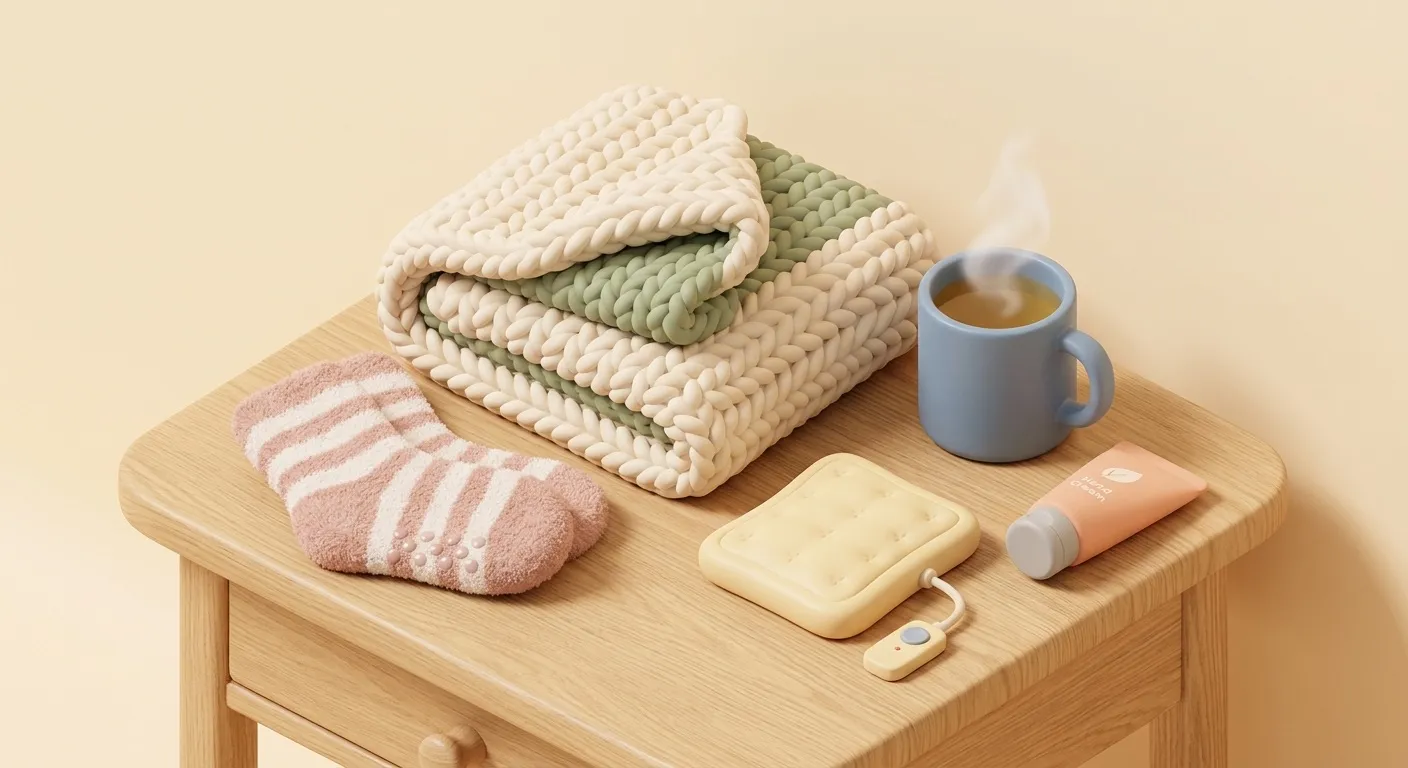
Comfort items help them feel secure. Older adults have a reduced ability to regulate their body temperature, and the Mayo Clinic says seniors over the age of 65 are especially at risk for cold injuries due to their lower ability to conserve and produce heat. Elderly parents might need some comfort items because they feel colder than they should, or because their skin may be dryer or thinner than it used to be, or they just need a little more protection from a cold environment.
- A heated blanket - The kind of throw blanket with a heat controller. Look for ones that can shut themselves off at a designated time. A fleece texture or Sherpa lining can provide extra softness and warmth.
- Slip resistant socks - The CDC says falls are the leading cause of injury in people over 65 years of age. Look for slippers or socks with little rubber “grippers” along the bottom for extra safety.
- Hand lotion - Older adults have a high rate of dry skin, especially during the winter. If your mom is sensitive to strong smells or has eczema, try unscented options or ones with hypoallergenic ingredients.
- Heat pack - Some types of heat packs can be warmed up in the microwave. These can help ease joint pain and improve sleep quality. A lavender filled option could help her relax after dinner.
All of these items could be given for homebound parents, or for parents in a nursing home or assisted living facility. Make sure the home or facility allows for heating devices before you send it.
Brain activities for elderly people in care packages
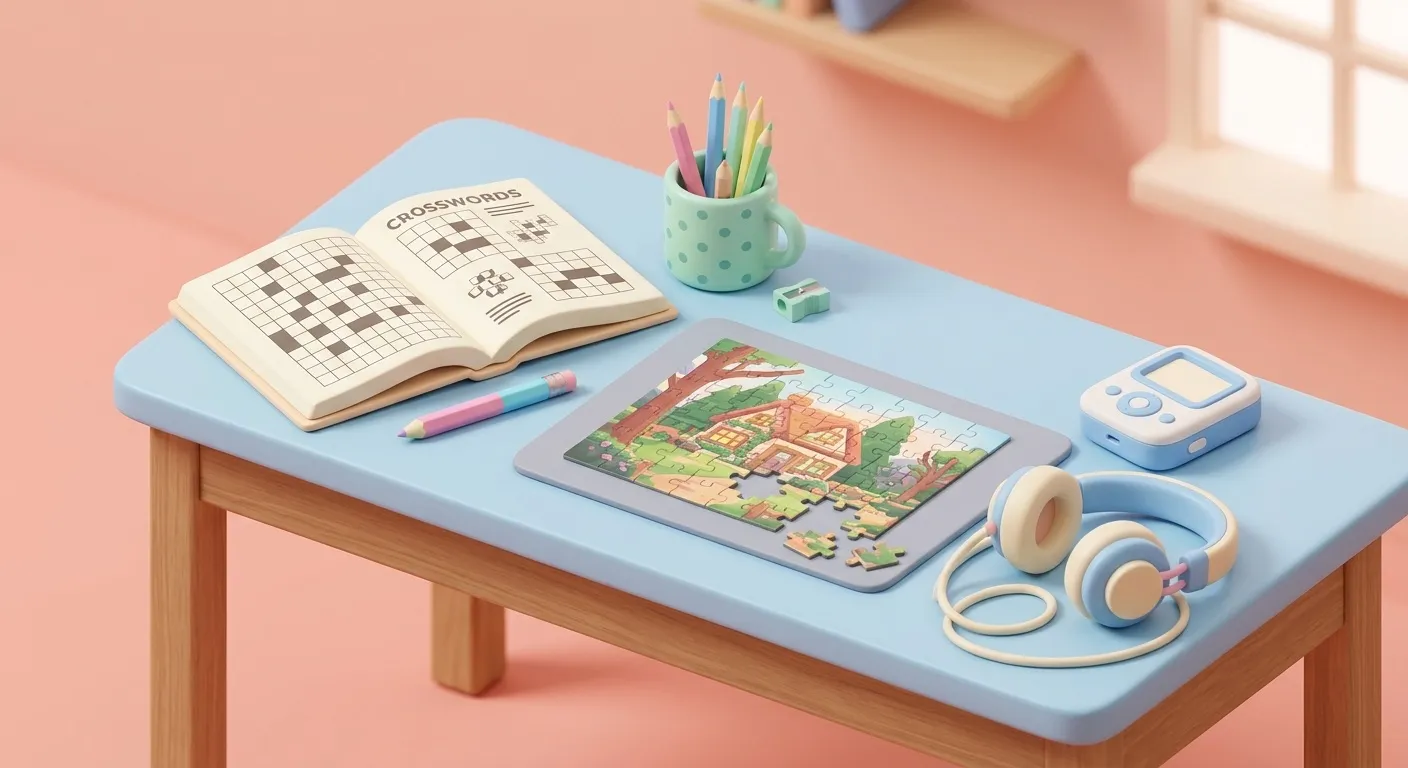
Brain boosting activities prevent boredom. If your parents aren’t doing anything that challenges them mentally, then their brain is less likely to be sharp and active, and they may lose out on the enjoyment that mental stimulation brings. A care package that contains brain activities could help them enjoy the present and maybe even look forward to the next.
- Large print puzzle books - Look for large print crossword puzzle books or Sudoko books. Regular print may be too small for your mom’s eyes, and even if she can see them, they may be too small for comfort. Look for books specifically made for seniors, such as larger fonts and more space between letters.
- Adult coloring books and colored pencils — Coloring is a great way to help lower your parent’s anxiety while helping keep those fine motor skills sharp. Be sure to pick designs that aren’t too fine to make for someone with arthritic hands.
- A good jigsaw puzzle (with 300–500 pieces) — You’ll want to avoid getting something like a 1,000-piece puzzle that’s too overwhelming. Something with 300 pieces, in an image that reminds them of a memory, is great. It will give them a great sense of accomplishment when they finish it.
- An audiobook subscription (or device pre-loaded with books) — If the parent you’re gifting to is struggling with eyesight when it comes to reading, check out a simple audiobook player that will give them access to a great library of audio books.
If your parent is in the early stages of memory loss, a puzzle book and a word game can gently exercise their brains without feeling like a cognitive test. Write a note of a fond family memory to include along with them. It will ground them emotionally, so they don’t feel like a test.
Favorite Foods and Treats From Home
There’s nothing as powerful at triggering both memory and comfort as taste. Perhaps they had their mother’s shortbread growing up, or have a deep love for Earl Grey Tea. Giving them those foods via a care package will evoke the immediate emotion they’re used to.
Here are a few ideas:
- Their favorite tea or coffee blend — Include a nice tea mug if your parent is in a home setting, or a travel mug with a lid for those in assisted living.
- Your own baked goodies — If you’re mailing the package, think cookies that travel well like biscotti, or a shortbread or brownie bites. Pack them individually in parchment paper.
- Treats from their hometown — Did your parent grow up in a different town? Send them treats from that region. There are plenty of online shops that can ship them.
- Variety of healthy snack options — You can find great mixes like dried nuts, fruit, dark chocolate, and whole grain crackers. It will provide some healthy nutrition between meal times, and some nice variety.
One caveat: Be careful if your parent has allergies or has a hard time swallowing things. If you’re worried or your parent has diabetes, be careful in your selection of healthy food. Don’t hesitate to call their doctor or care team to ask about what’s safe.
Family Photos They Can Hold and See
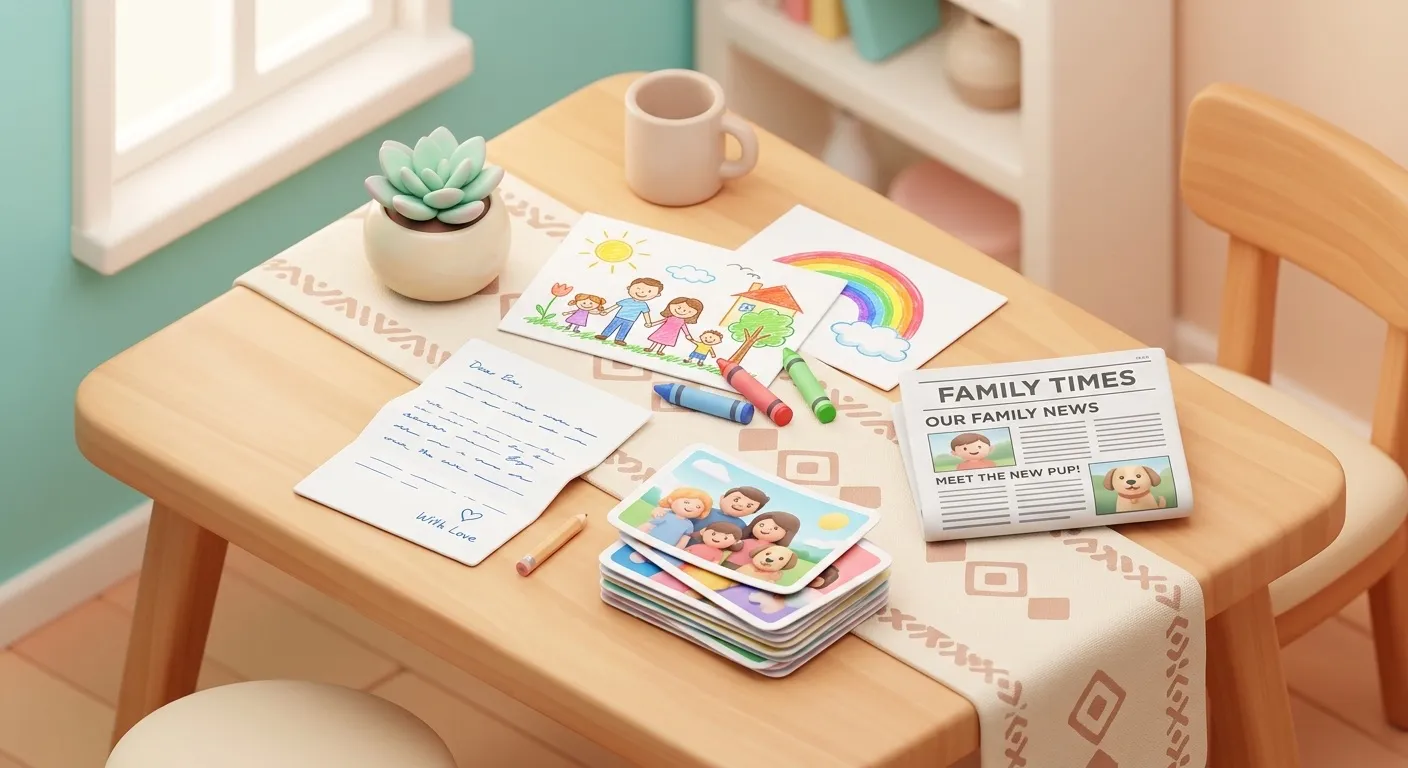
There’s nothing better than having a digital frame that keeps up to date, but there is something irreplaceable about the feeling of holding a photograph in your hand. For those aging parents, especially those who don’t use technology, a photograph they can hold will keep them in touch with all of the family’s recent moments and changes.
Here are a few things to consider including:
- Photos from the past month — Whether it’s a school portrait, or just a weekend adventure with friends, or photos from the last family get-together — be sure to print them out in a large format so they can easily see them (a 4x6 or 5x7 are both great).
- A handwritten note — Even if it’s just a sentence or two about what’s going on in your life will mean the world to them. If you don’t know what to write in your letter to your aging parent, tell them what made you think of them this week.
- Child’s drawings or pictures — The gold standard in care package items are kids’ artwork. They’ll be displayed in the home for months to come.
- A family “newspaper” — There are a lot of family members who may want to send a note or update. Put together a monthly family newsletter so they can receive them all at once, in an easy-to-read format. Companies such as Hug Letters mail a family newspaper every month, which can be the foundation for a monthly care-package tradition.
Mail and photos are cheap, easy to transport, and will always be welcome. If you decide to include only one category from this list, pick this one.
Items They Probably Wouldn’t Buy For Themselves
Parents in your life may not want to spend money on themselves — ever. Care packages provide an opportunity to provide them with exactly what they need without them realizing you think of them as needy.
What to include:
- Weekly pillbox — For a parent who needs to keep track of multiple medications, weekly pill boxes with large lettered compartments for each day of the week prevent errors or confusion.
- Magnifying glass or lighted magnifier — Useful for everything from reading mail to medication instructions.
- Grocery bags with long handles — These will be easier than plastic grocery bags for parents with mobility or grip issues to carry.
- Stationery with prepaid first-class stamps — Make sure it’s easy for them to write back to you by putting your return address on it.
These are practical items that will be used every day, showing that you’re really paying attention and that you’re not just thinking of them as a gift.
Care Package for Parents Living in an Assisted Living Facility
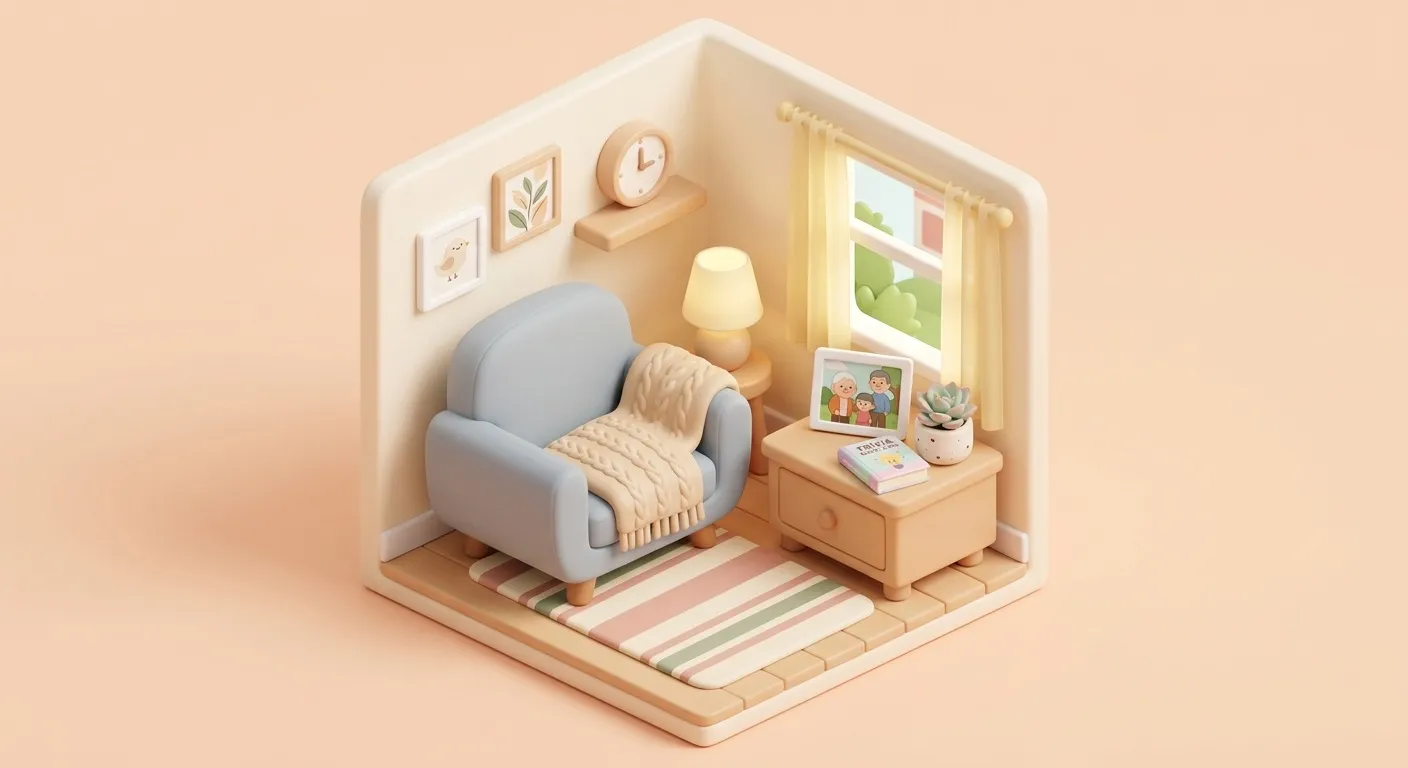
When thinking about what to include when sending a care package to a parent in assisted living versus your parents at home, consider the fact that their needs may be very different than if they were living alone. If they’re in a facility, there are likely space limitations, there may be facility rules about what can and cannot be received, and you should consider things you wouldn’t want to leave around unattended when sending a package.
Things to think about beforehand:
- Food restrictions — Does the facility have different guidelines around what foods can be sent to residents? Many facilities monitor dietary restrictions.
- Open flame restrictions — Most facilities prohibit candles, but just to be safe, ask.
- Space limitations — Think of a small room, not a house, when planning out the size and quantity of gifts to include.
- Delivery — Does the package need to go through the front desk first?
Some good ideas for care package items for assisted living facilities:
- Framed family photos — Frame them in something that doesn’t need to be hung on the wall, such as a tabletop frame.
- Lap blanket — Make sure it isn’t too bulky, or they’ll never be able to use it in a wheelchair or recliner.
- Nice personal care products — Consider purchasing nice hand lotions and other products that may differ from the basic ones the facility uses to provide for their residents. For instance, maybe their parents’ favorite perfume has changed since the last time you’ve purchased one, or maybe you’d like a more luxurious bar soap than they usually get.
- Small plant — A pothos or succulent is perfect for a small room and can stay on the desk or shelf without being watered or attended to much.
- Book of trivia questions or a calendar that says “this day in history” — Give them conversation items to share with their staff or friends.
The idea is not to fill up the room — the point is to make the room more familiar and give them something to chat about when the nurses or volunteers pop in for a minute.
Themed Care Packages Based on Seasons
If you want your care packages to really stand out and to give yourself reasons to send them all year round, think about a theme based on the season.
- Spring (March-May): A packet of garden seeds, one small potted herb, light scarf, sunscreen, floral scented lotion, a card explaining what’s blooming in your own yard.
- Summer (June-Aug): Handheld fan, lemonade mix, sun hat, bug repelling wipes, photos of you and your grandkids enjoying summer.
- Fall (Sept.-Nov): A box of apple cider tea, warm pair of socks, autumn themed puzzle, pumpkin bread mix, card for your folks to sign for Thanksgiving with the whole family.
- Winter (Dec.-Feb): Hot cocoa mix packets, fleece blanket, hand warmers, holiday card, small devotional or inspirational book for the new year.
Choosing a seasonal theme offers you an inbuilt reminder for what to mail at what time, a better way to go than one large shipment every year.
How to Make Care Packages a Regular Occurrence
The hardest part of a care package program isn’t figuring out what to send — it’s actually sending it! Life gets in the way. You mean to ship that box next week, and then a quarter of the year’s gone.
Follow these easy steps to ensure you’re sending care packages regularly:
- Decide how often you’ll mail. Ideally, you should do monthly. Quarterly is better than not at all. Block that day/time on your calendar.
- Make a list. Whenever a need pops up or your parents comment on a particular product/brand in a call/jot that down immediately.
- Stock your supplies. Order bulk shipping boxes and tape, cards, and envelopes with stamps on Amazon. Have everything you need on hand so that there’s no friction when the day arrives.
- Enlist the help of your grandkids. Ask each kid to contribute one photo, one drawing, or one message. This helps them practice empathy and gives your parents more to look forward to (see: How to Keep Grandparents Involved in Grandchildren Milestones).
- Automate where possible. There are services like monthly photo prints. Hug Letters offers a monthly printed and mailed family newsletter service.
The key here is routine. A small but consistent box every month or every quarter is better than a grand one-time care package every couple of years.
What Not to Include in Your Care Package
Even though it may seem like a good idea, there are some care package mistakes that can make for less-than-fun delivery. Don’t do this when you send packages:
- Fragrance. Perfume, scented candles, and potpourri will trigger headaches or breathing problems.
- Electronics. A new tablet or smart speaker may sound like a thoughtful gift, but without help setting it up, that new tech becomes a frustration.
- Fresh food without planning. Fresh fruit and homemade food are great when they’re in person. They don’t survive shipping well.
- “Senior” gifts. While medical alert brochures, grab bar catalogs, or other guides to senior safety are well intended, they can come off as patronizing. Don’t discuss those things via mail. Discuss them in person.
- Objects for shelves. Assisted living rooms, even bigger ones, can get crowded. Avoid trinkets, knickknacks, and the like, as they may add to the clutter. Stick with things that can be consumed or used immediately. A care package should never feel impersonal, and if you wouldn’t receive it, you shouldn’t send it.
Frequently Asked Questions
How frequently should I mail care packages to my elderly parents?
Ideally, send a care package to your parents once a month, though some kind of regular frequency is more important. The emphasis should always be on regularity — a care package once a month is a wonderful gesture, because it gives your parents anticipation and something to look forward to. But if you can’t send a care package every month, sending one once in a while, like every three months, still helps out. According to the National Institute on Aging, frequent, predictable social connections are one of the best ways to ward off loneliness in seniors.
What should be in a care package for a parent who’s in a nursing home?
Send them something personal, compact, and permitted in the facility. A framed family photo, a soft blanket, scented body wash and soap that they prefer, a puzzle book for older readers, and an encouraging handwritten letter can be great options for almost any senior care facility. Always ask about food restrictions, no candles, and other care package limitations, though. Avoid electronics that require charging or WiFi, since connectivity varies by facility.
How can I send a care package to an older person who lives far away?
You’ll need a strong shipping box and plenty of bubble wrap. Avoid sending anything that will easily break or expire quickly. USPS Priority Mail has affordable flat-rate boxes for bigger or heavier packages. Skip baked goods that could spoil in transit. Try buying pre-made or pre-wrapped cookies, tea, or nuts instead. You can even send a care package to the nursing home, and follow it up with an online video call that same day, so the two of you can watch the box get unpacked together.
Are there any subscription services for sending care packages?
Yes, there are many care subscription services for older people! A few companies sell care packages based on food, drinks, and photos. Hug Letters, for example, delivers a monthly family newspaper to a senior loved one, filled with photos and letters from the rest of the family. It’s like sending care packages with a photo and letter every month in the mail, all on autopilot.
A Care Package That Speaks Where Distance Falls Short
The unfortunate fact of loving an aging family member who lives far away, and often the less-fortunate fact of loving an aging family member who lives nearby but you can’t visit for months — or even days — at a time, is that your parents won’t always get a visit from you.
But they can still get something from you. Care packages. They can still get a pair of soft socks, a framed family picture, and a note you wrote to say “I was thinking of you.”
It won’t cure the sadness or loneliness. You can’t really take a package to your parents and replace a hug. But it will say something to an older family member sitting alone in their room. It will say “I remember you.”
Maybe send them a care package this month. And the next month. And the next.

About Martin Gouy
Martin is the founder of Hug Letters. Hug Letters is a family newsletter for grandparents. Every month, grandparents receive a heartwarming newspaper with photos and stories from the whole family.