

Your grandchildren arrive for a visit. After the initial excitement fades, you face the familiar question: “What should we do now?”
These 15 activities—organized by age—create meaningful connection without screens or elaborate planning.
Toddlers (Ages 2-4)
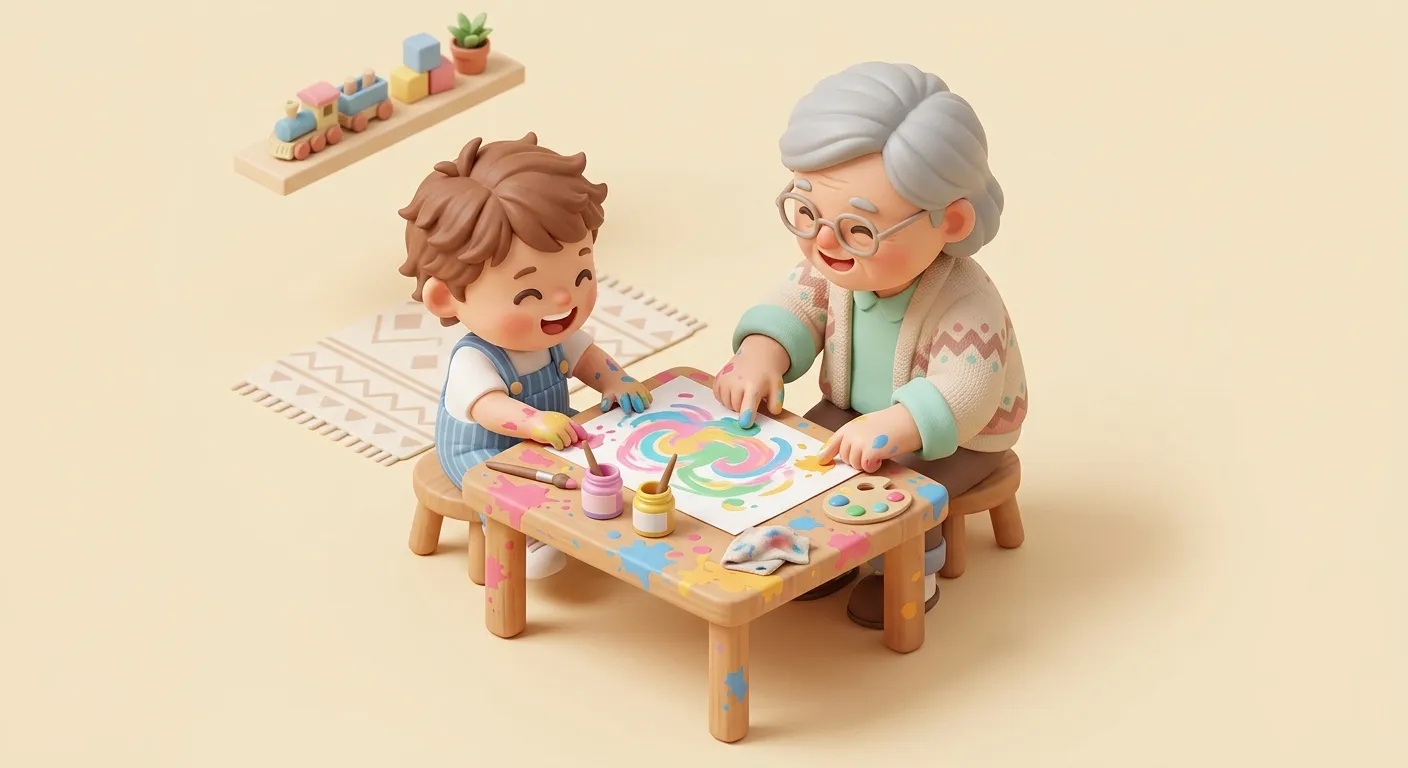
1. Sensory Bins
Fill a container with dry rice or pasta. Add measuring cups, funnels, and small toys to discover. Toddlers will stay engaged for surprisingly long stretches.
2. Picture Book Marathon
Create a cozy reading corner with blankets. Let them choose books and read favorites repeatedly—toddlers love repetition. Use silly voices for characters.
3. Kitchen Helpers
Let them wash vegetables, tear lettuce, stir batter, or sprinkle cheese. It takes longer, but they feel proud contributing to meals you share together.
Young Children (Ages 5-8)
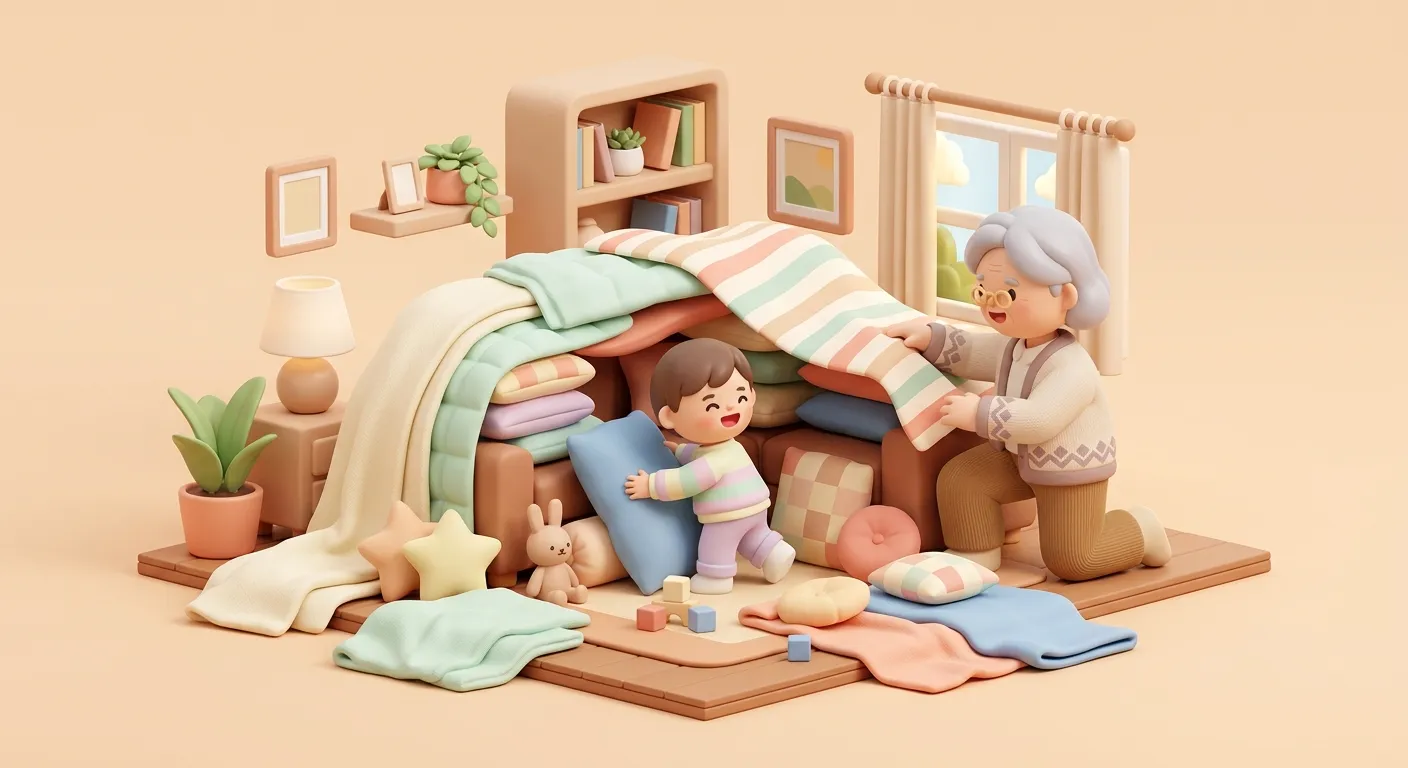
4. Simple Baking
No-bake cookies, muffins, or decorated sugar cookies work perfectly. The kitchen becomes a classroom for math, reading, and science—plus natural conversation time.
5. Indoor Treasure Hunt
Hide small items around the house with picture clues or simple riddles. Example: “I have keys but open no locks” (piano). End with a small prize.
6. Craft Box Creations
Keep basic supplies ready: construction paper, markers, glue, scissors. Make paper plate masks, handprint art, or greeting cards for parents.
7. Backyard Science
Plant fast-growing seeds together. Make pinecone bird feeders with peanut butter and birdseed. Watch clouds and find shapes.
Tweens (Ages 9-12)
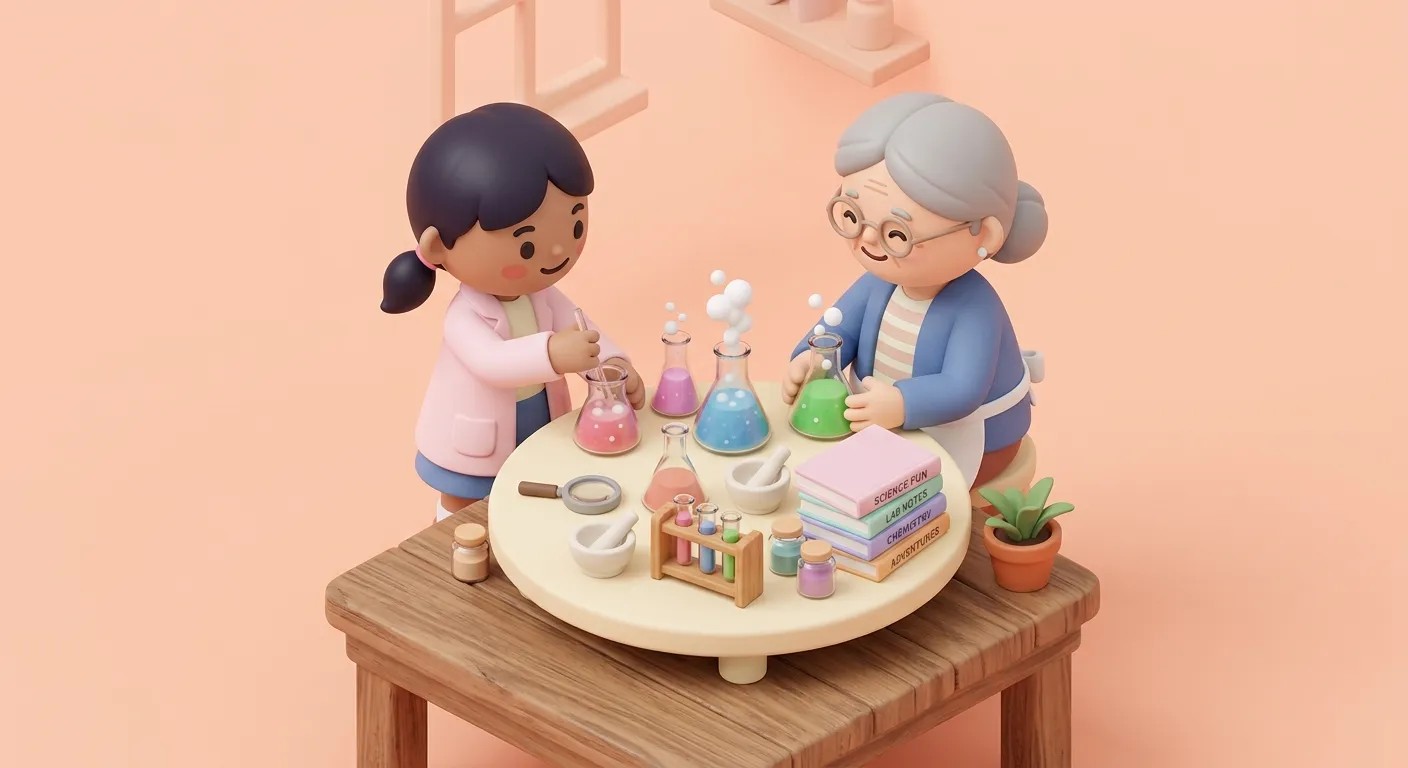
8. Board Games
Chess, Scrabble, Rummy, or strategy games create genuine engagement. Keep a running win/loss tally on the fridge—they’ll love trying to pull ahead.
9. Real Cooking
Move beyond baking to actual meals. Teach them your signature dish: spaghetti sauce, soup, or famous meatballs. Walk them through knife skills and timing.
10. Oral History Projects
Record yourself telling childhood stories. Look through old photos and explain who everyone is. Children who know family stories show higher resilience and self-esteem.
Teens (Ages 13+)
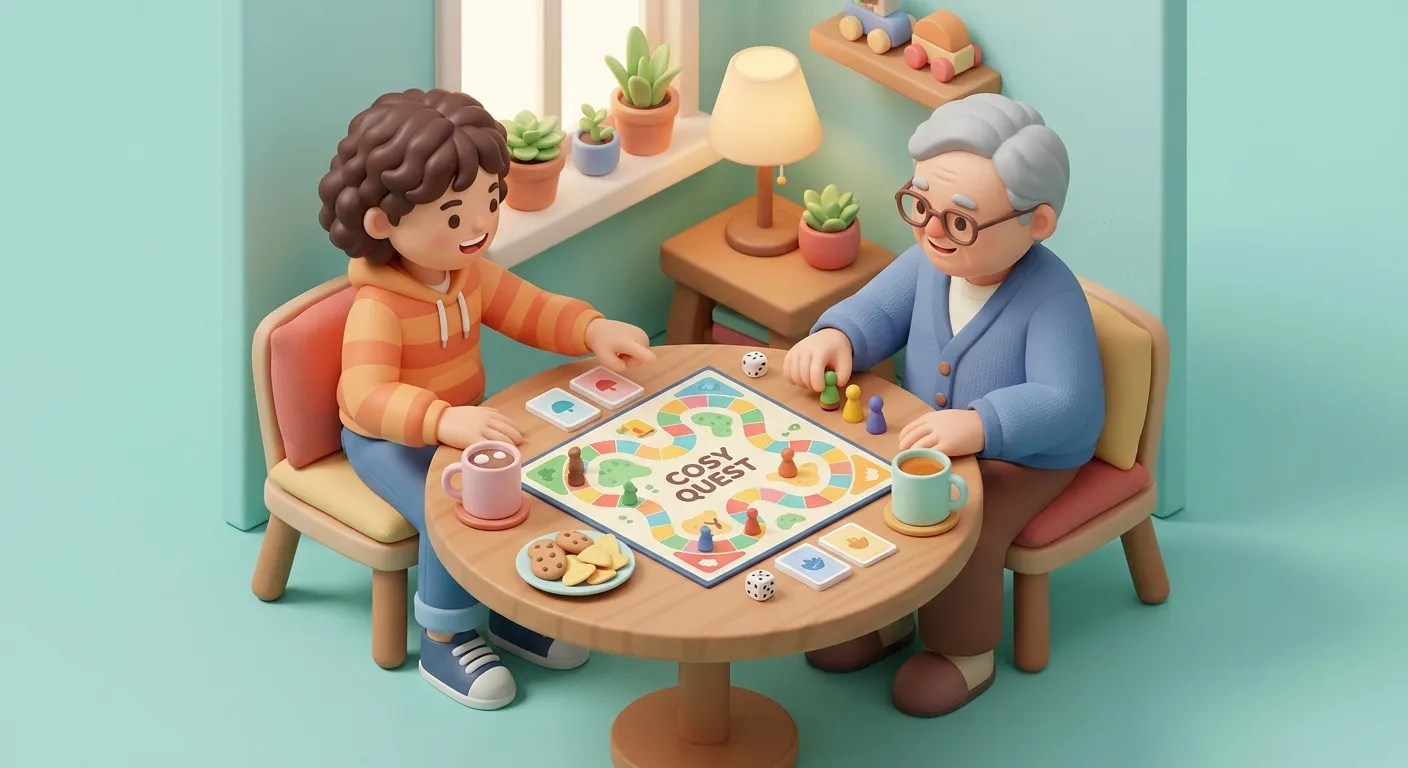
11. Recipe Traditions
Teach dishes they’ll make in adulthood: breakfast foods, comfort meals, your holiday signature. Share the memories connected to each recipe.
12. DIY Projects
Change a tire, fix a faucet, sew a button, build a birdhouse. Teaching real skills communicates trust and respect.
13. Share Your Hobbies
Gardening, knitting, woodworking, photography, card tricks, a musical instrument—whatever you know. You just need to know more than they do.
Low-Cost Ideas (Any Age)
14. Story Exchange
Take turns telling true stories from your lives. Five minutes each, no interruptions.
15. Dance Party
Play music from your era and theirs. Teach each other moves. Laugh at the differences.
Creating Lasting Memories
- Take candid photos of your activities together
- Keep a grandparent journal noting funny things they said
- Mark their height on a doorframe each visit
- Share updates with extended family through Hug Letters
When Things Go Wrong
The cookies burn. The craft frustrates them. The game ends in an argument.
Here’s the truth: imperfect visits still matter. Your grandchildren won’t remember every perfect activity, but they’ll remember that you tried and stayed patient.
Some of the best family stories come from failures.
The Real Point
Activities are just vehicles for what matters: time, attention, and love.
Your grandchildren don’t need elaborate entertainment. They need you to put down your phone, look them in the eye, and show genuine interest in their world.
This week: Pick one activity. Give it your full attention. Take a photo to remember it.
The activity itself is never the point. Showing up is.

About Martin Gouy
Martin is the founder of Hug Letters. Hug Letters is a family newsletter for grandparents. Every month, grandparents receive a heartwarming newspaper with photos and stories from the whole family.