

Your daughter lost her first tooth. Your son scored the winning goal. The baby took her first steps. You captured it all on your phone—but your parents, hundreds of miles away, still haven’t seen a single photo.
You meant to send them. You really did. But the photos sit in your camera roll, and your parents keep asking, “Do you have any new pictures of the kids?”
The problem is not your intention. The problem is the gap between how you capture memories and how your parents can actually see them. Your phone holds thousands of photos. Their flip phone holds maybe twenty. You live on cloud storage. They live with printed albums on the coffee table.
This guide gives you real solutions that work for grandparents who don’t video chat, can’t remember passwords, or simply prefer to hold something tangible in their hands.
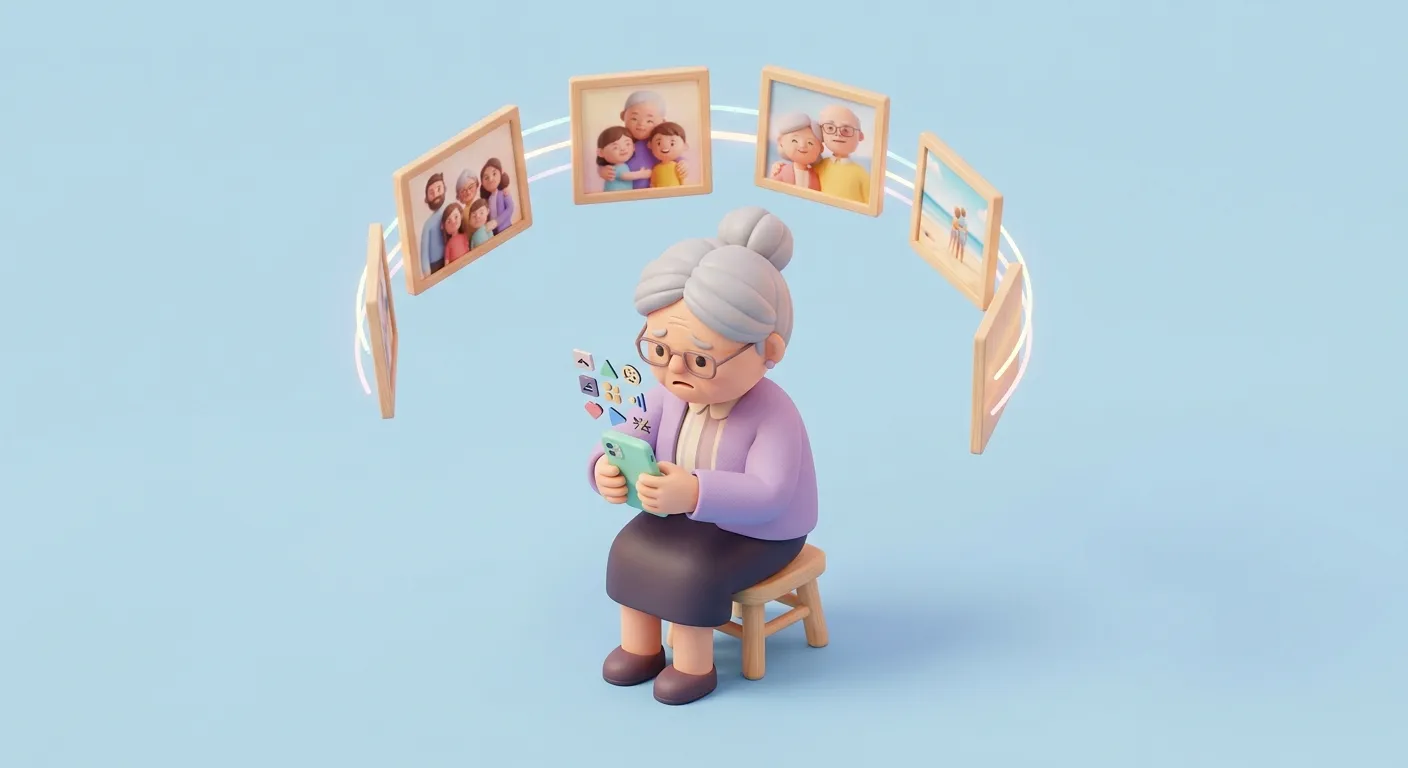
Why Traditional Photo Sharing Fails With Grandparents
Before we solve the problem, let us name it clearly.
The smartphone gap is real. Pew Research Center reports that 76 percent of adults 65 and older own a smartphone. That sounds promising until you flip the statistic: nearly one in four grandparents does not have a smartphone at all. Among those who do own one, many struggle with app downloads, cloud storage, and password resets.
Apps require maintenance. Even when a grandparent downloads a photo-sharing app, someone has to teach them how to open it, find the photos, and zoom in. Updates break familiar interfaces. Notifications pile up. Frustration builds, and the app gets abandoned.
Email attachments disappoint. You send five photos. Three fail to load. The fourth opens sideways. The fifth is so compressed it looks blurry. Your mom squints at her laptop screen and asks you to print them instead.
Social media feels public and overwhelming. Many grandparents either avoid Facebook entirely or find it exhausting. Endless feeds, privacy concerns, and comment threads turn what should be a simple moment—seeing a grandchild’s smile—into a chore.
Physical distance makes it worse. If you lived nearby, you could drop off prints once a week. But when you are states apart, mail feels slow, and digital feels complicated. So nothing happens, and grandparents miss months of memories.
The U.S. Surgeon General has linked weak social connection to health risks as serious as smoking up to 15 cigarettes a day. For grandparents, missing out on family photos is not just disappointing. It deepens isolation.
The Best Solution: Hug Letters Monthly Family Newspaper
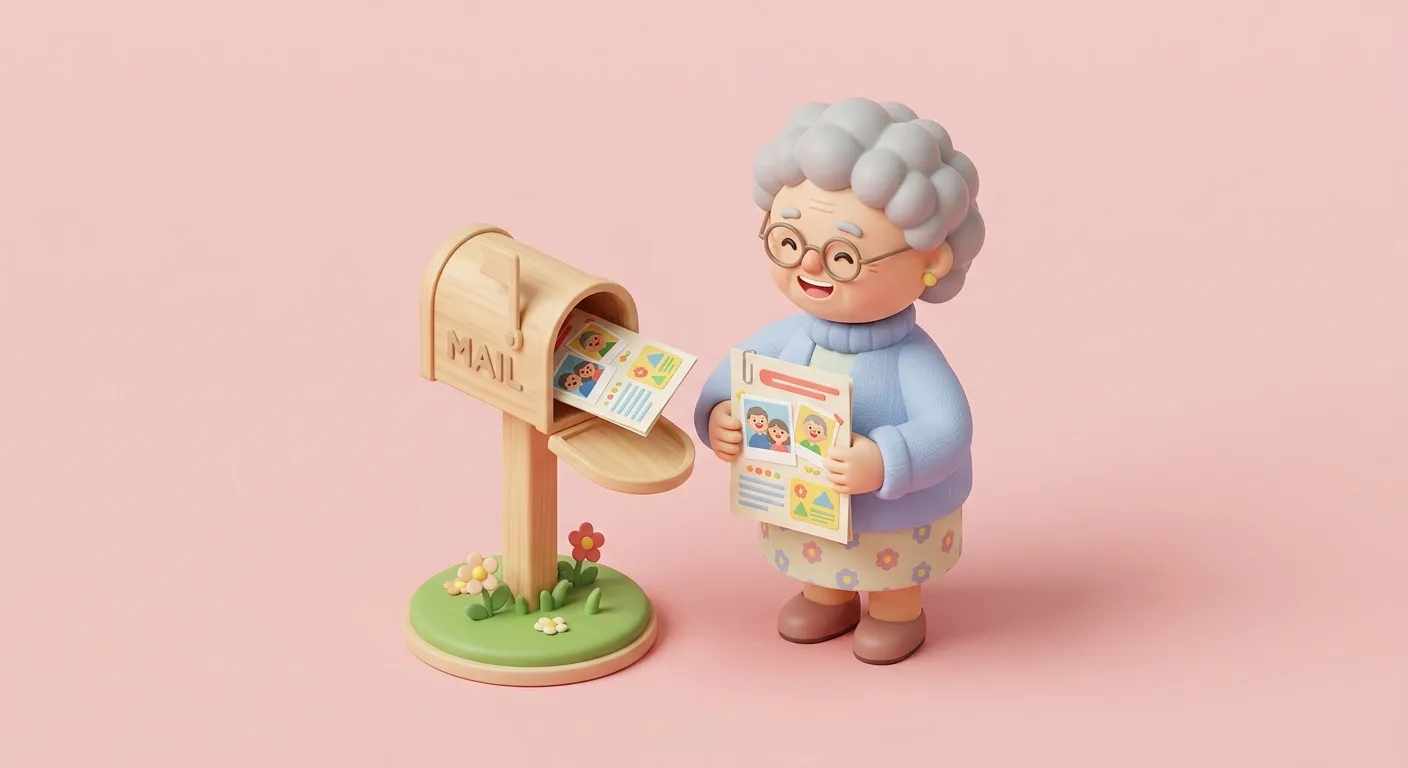
If you want a simple, sustainable way to share family photos with grandparents who don’t use technology, Hug Letters solves the problem completely.
Here is how it works. Each month, family members use a simple app to upload photos and write two-sentence captions. Nothing complicated—just pick a photo, add a quick note like “Emma lost her first tooth” or “Jake’s soccer team won the championship,” and submit it.
The Hug Letters team takes all those submissions, designs a beautiful full-color newspaper layout, prints it on quality paper, and mails it directly to your parents’ mailbox. They open the mailbox at the start of the month and find a printed family journal filled with everyone’s latest moments.
Why This Works Better Than Anything Else
No technology required for grandparents. They never download an app. They never reset a password. They never squint at a screen. They just open the mailbox and read.
Everyone contributes easily. Your siblings upload photos. Your cousins add stories. Aunts and uncles share updates. The whole family stays connected in one place, and your parents get the full picture—not just updates from whoever remembers to call.
It is tangible and reusable. Grandparents can hold the newspaper, reread it over breakfast, show it to friends at church, or keep it on the coffee table for weeks. One family told us their grandfather carries the latest issue in his car to show people at the grocery store.
It builds a family archive. After a year, you have twelve issues. After five years, you have sixty. Stack them in a binder, and you have a visual family history that grandchildren will treasure decades from now.
It creates a reliable rhythm. Instead of random texts or forgotten emails, your parents know that at the beginning of each month, family news arrives. That predictability matters. It gives them something to look forward to and removes the anxiety of wondering when they will hear from you next.
More than 1,000 families already use Hug Letters, and the feedback is clear: grandparents love it because it works the way they want to connect. Adult children love it because it removes guilt and creates a system that actually lasts.
If you want your parents to see every milestone without asking them to learn new technology, this is the answer.
Alternative Solutions (And Why They Fall Short)
If Hug Letters does not fit your situation, here are other options. Each has trade-offs.
Print Photos at Home and Mail Them
How it works: Print photos on your home printer or at a drugstore, write captions on the back, and mail them in an envelope every few weeks.
Pros: Simple. Inexpensive if you already have a printer. Grandparents love receiving mail.
Cons: Time-consuming. You have to remember to do it. Photo quality varies. You need stamps, envelopes, and a trip to the mailbox. Most families start with good intentions and quit after two months.
Best for: Families who live very close to a photo printer and genuinely enjoy the ritual of mailing letters.
Digital Photo Frames
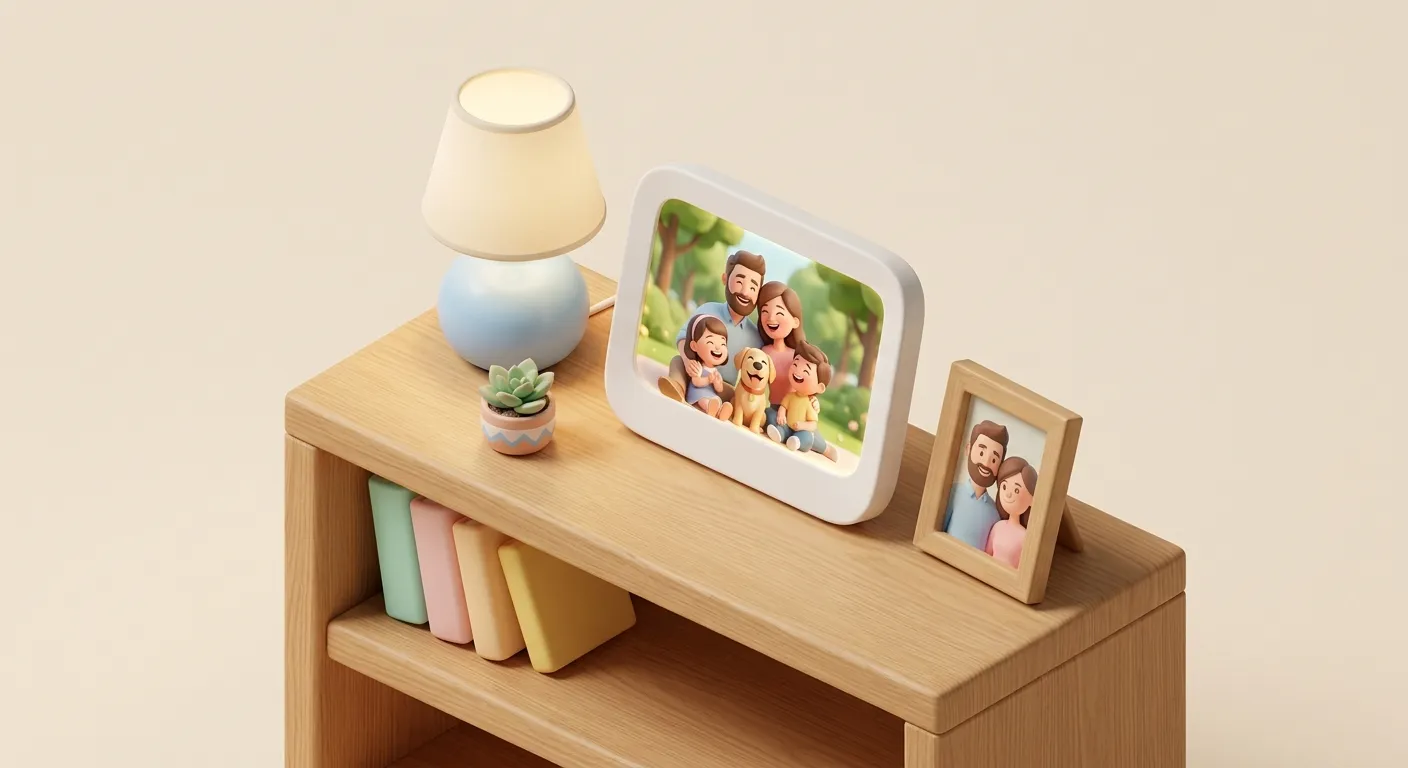
How it works: You buy a Wi-Fi-connected photo frame, set it up at your parents’ house, and email or app-share photos that appear on the screen automatically.
Pros: Photos update in real time. No printing required. Frames can display video clips.
Cons: Requires Wi-Fi setup. Many grandparents find the initial setup intimidating. If the frame loses connection, they cannot fix it themselves. Screens feel impersonal to some seniors who prefer printed keepsakes. The frame costs $100 to $200 upfront.
Best for: Tech-comfortable grandparents who live nearby so you can troubleshoot when needed.
Shared Google Photos or iCloud Albums
How it works: You create a shared album, invite your parents via email, and they view photos on their phone, tablet, or computer.
Pros: Free. Unlimited storage. Easy for you to upload.
Cons: Requires your parents to have a smartphone or computer, remember login credentials, and navigate apps or websites. Photos stay trapped on screens. Many grandparents never check the album because it feels like homework.
Best for: Grandparents who already use smartphones daily and enjoy browsing photos on a screen.
Monthly Photo Books from Shutterfly or Mixbook
How it works: Once a month, you design a photo book online, order it printed, and have it shipped to your parents.
Pros: Beautiful, professional layouts. High-quality prints. Permanent keepsake.
Cons: Time-intensive. Designing a book takes 30 to 60 minutes every month. Expensive—$20 to $40 per book. Difficult to include updates from extended family. Feels like a special occasion rather than a regular rhythm.
Best for: Families who want annual keepsakes and have time to design them, not monthly updates.
Video Calls with Photo Sharing
How it works: During weekly video calls, you hold photos up to the camera or screen-share an album.
Pros: Adds personal connection. Free.
Cons: Requires scheduled calls. Photos look small and unclear on video. Grandparents cannot revisit the photos after the call ends. Relies on everyone’s availability and stable internet.
Best for: Supplementing another method, not replacing it.
Why Print Still Wins for Most Grandparents
Screens flicker. Batteries die. Apps update and confuse. But paper lasts.
A 2023 study published in Frontiers in Psychology found that older adults retain information better when reading from printed materials compared to screens. Physical objects also trigger stronger emotional responses. When a grandmother holds a printed photo of her grandson, she can trace his face with her finger, prop it on the mantel, or tuck it into her Bible. Those actions deepen connection in ways a screen swipe cannot match.
Print also removes barriers. A mailed newspaper or photo requires no Wi-Fi password, no app store, no troubleshooting. It simply arrives, gets opened, and brings joy.
For families spread across states or countries, print creates a shared experience. Everyone knows the February issue went out. Everyone knows Grandma received it. That collective rhythm builds family culture.
How to Make Any Solution Last
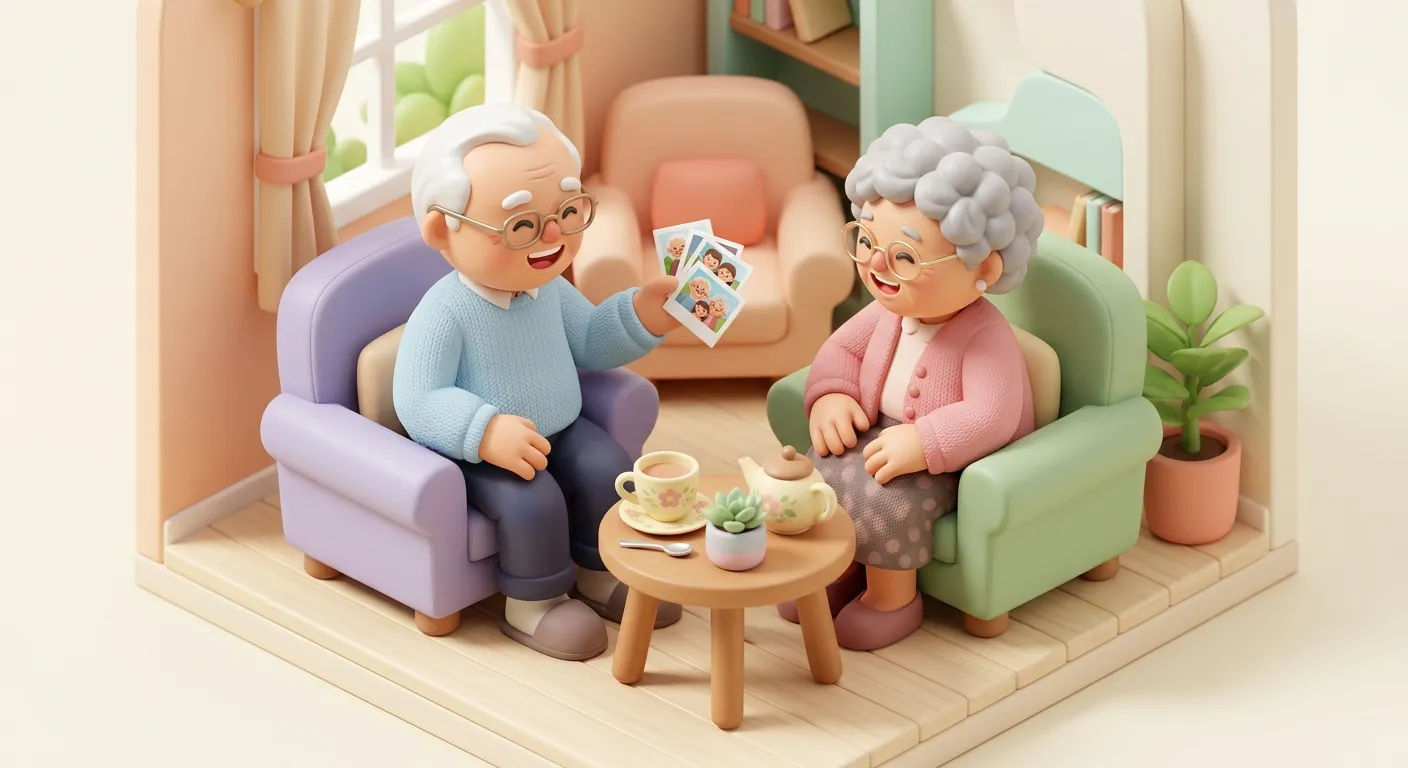
Whichever method you choose, consistency beats perfection. Here is how to make it sustainable.
Pick one person to lead. Sharing responsibility across siblings sounds fair but rarely works. Designate one family member to gather photos, coordinate submissions, or handle printing. Rotate leadership every six months if needed.
Set a monthly reminder. Put a recurring calendar alert on the first of every month: “Gather photos for Grandma and Grandpa.” Treat it like a bill that must get paid.
Keep it simple. Do not aim for thirty photos every month. Five to ten meaningful images with short captions work better than an overwhelming flood.
Involve grandchildren when possible. Let kids pick one photo to send. Let them write the caption in crayon. Grandparents cherish imperfect, authentic updates more than polished perfection.
Ask for feedback. Call your parents mid-month and ask, “Which photo was your favorite?” Their answers tell you what matters most and keep you motivated.
Combine methods strategically. Use Hug Letters for the monthly rhythm. Add a video call for birthdays. Mail a handwritten note on holidays. Layering small touches works better than relying on one heroic effort.
What to Include in Your Monthly Photo Shares
Focus on everyday moments, not just milestones. Grandparents want to see:
Ordinary daily life. A photo of breakfast together. The kids doing homework at the kitchen table. The dog napping on the couch. These slices of normal life help grandparents feel present even when they are far away.
Small victories. A clean room. A finished puzzle. A book report that earned a smiley face. Celebrate the little wins.
Seasonal moments. Raking leaves. Decorating the Christmas tree. Planting tomatoes in the garden. These markers help grandparents track the passage of time and feel connected to your rhythms.
Faces, always faces. Grandparents want to see eyes, smiles, and expressions. Avoid photos where kids are tiny dots in the background. Close-ups win.
Handwritten captions from kids. Even a scribbled “Hi Grandma” from a five-year-old means more than a typed paragraph.
Updates from everyone. If your siblings contribute photos, your parents see the whole family at once instead of fragmented updates.
The Guilt-Free Approach to Staying Connected
Many adult children carry guilt about not staying in touch enough. They mean to send photos. They plan to call more often. But work, kids, and exhaustion get in the way, and another month passes.
A sustainable system removes that guilt. When you have a method that runs automatically—like Hug Letters, where everyone uploads photos during the month and a printed newspaper arrives without extra effort—you stop feeling bad and start feeling proud.
Your parents stop wondering when they will hear from you. You stop promising yourself you will do better next month. The system does the work, and connection becomes effortless.
Common Questions About Photo Sharing with Grandparents
What if my parents do not check their mailbox often?
Most people check their mailbox at least twice a week. If your parents have mobility challenges, ask a neighbor or mail carrier to place the newspaper inside the front door. Assisted living facilities can deliver it directly to their room.
What if my siblings do not contribute?
Start without them. If the system works for you, others may join later. If not, your parents still get regular updates from your family, which is better than silence.
How much does it cost?
Hug Letters subscriptions start around the cost of a coffee-shop visit per week. Compare that to the time and expense of printing, mailing, or designing photo books yourself. Most families find the time savings worth far more than the cost.
Can grandparents contribute too?
Yes. Some services, including Hug Letters, let grandparents submit their own photos or stories if they want. But the beauty of the system is that they never have to—they can simply receive and enjoy.
What if my parents prefer digital?
If your parents genuinely enjoy smartphones and want digital photos, use Google Photos or a shared album. But most families overestimate their parents’ comfort with technology. Test it for a month. If your parents rarely open the album, switch to print.
How to Start This Month
You do not need a perfect plan. You need to start.
This week:
Pick your method. If you want the simplest, most reliable option, try Hug Letters. If you prefer a DIY approach, order prints from your local drugstore.
Gather five to ten recent photos. Choose images that show faces clearly and capture real moments.
Write short captions. One sentence per photo. Keep it simple: “Mia’s first day of preschool” or “Dad grilling burgers on Saturday.”
This month:
Send the first batch. Mail it, email it, or submit it through Hug Letters.
Call your parents when it arrives. Ask which photo they loved most.
Set a reminder for next month.
This year:
Build the rhythm. By December, you will have twelve months of memories shared. Your parents will feel more connected. You will feel less guilty. And your kids will grow up knowing their grandparents stayed close, even from far away.
Final Thoughts
Sharing family photos with grandparents who don’t use technology is not a tech problem. It is a connection problem that needs a simple, sustainable solution.
Apps fail because they demand too much from grandparents. Email disappoints because it feels impersonal. Social media overwhelms. But printed photos—delivered on a predictable schedule, filled with familiar faces, easy to hold and revisit—work the way grandparents want to connect.
Hug Letters makes that approach effortless. Your family uploads photos through an app. Your parents receive a beautiful printed newspaper in the mail every month. No passwords. No troubleshooting. Just steady, reliable connection that lasts.
If your parents keep asking for photos and you keep meaning to send them, this is your moment to stop trying harder and start building a better system. Pick your method. Send the first batch. And watch how much it means when distance stops feeling so far away.

About Martin Gouy
Martin is the founder of Hug Letters. Hug Letters is a family newsletter for grandparents. Every month, grandparents receive a heartwarming newspaper with photos and stories from the whole family.