

Your mom’s assisted living facility texts you that she missed her morning meds. Before you can reply, your seven-year-old asks to help him find his shoes, and your boss has already sent two separate messages. You look at the clock. It’s 7:15. You’re already behind.
If that sounds familiar, you are living in the sandwich generation. According to Pew Research Center, more than half of adults aged 40s have a living parent aged 65 or older and also a child. Mental Health America reports that almost 29% of all caregivers are in the sandwich generation.
You didn’t choose to take on two full-time jobs. But here we are. And, here’s the good news. There are steps that you can take to balance the responsibilities of a sandwich generation without getting lost in the mix.
What Is the Sandwich Generation?
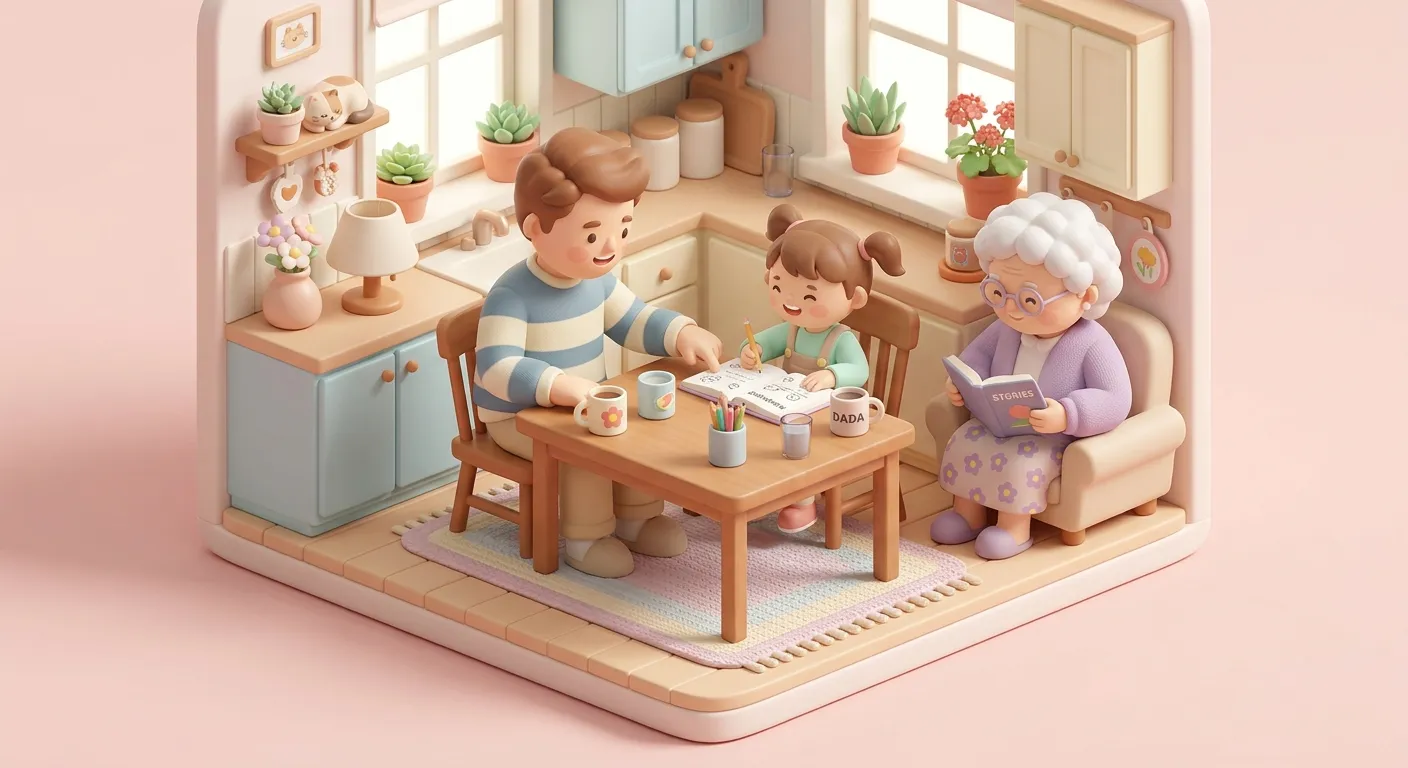
Simply put, the sandwich generation consists of adults, typically between 35 and 55, who find themselves “sandwiched” in the middle of taking care of children and older parents. Some juggle drop-offs and pick-ups at the elementary school, then hop in the car to drive their aging parent to a doctor’s appointment. Others try to provide guidance to parents hundreds of miles away, while trying to take care of their own kids and home.
Dorothy Miller, a social worker, first came up with the term sandwich generation in the early 1980s, but it’s becoming more relevant today as people continue to have children later and parents continue to live longer. And for some people, the middle section of the sandwich is becoming more compressed over time.
But the sandwich generation is not just traditional caregiving. There are simply more needs and demands that come with sandwich generation caregiving. It’s not just caring for one person, but two, which brings two different schedules, needs, and emotional needs. And it’s also a reminder of how important it is to try and keep your own life going, at the same time.
Why Sandwich Generation Stress Is So Common
It’s not that you’re doing something wrong if you feel stressed or burned out. There are structural and real reasons why sandwich generation caregivers tend to experience more burnout. Here are a few:
You feel the financial strain from both sides. You might be paying for childcare and also helping to pay for your parent’s care. A Guardian Life study showed that 56% of the sandwich generation are women, and some have to choose between saving for their kids and saving for their parents’ care.
You don’t have enough time to go around. There aren’t enough hours in the day for everything. When your child has a recital, and your dad has a cardiology appointment, then you’re going to miss or reschedule something. For some, that guilt becomes even more painful over months and even years.
Your needs go off the table. Those who find themselves caring for a “sandwich generation” often forego their medical appointments, cancel social plans, and put their careers on hold. Eventually, this practice develops into the habit of ignoring your own needs and failing to ask for what you need.
You face a role-reversal that can cause anxiety. Taking care of your own parent, managing their finances, overseeing their medical needs, or letting them know they’re no longer safe to drive, is psychologically challenging in a way that other stressors are not.

7 Strategies for Sandwich Generation Caregivers
- Identify what needs getting done on paper
You can’t manage the craziness until you see it! Write down all of the things you currently do that are tied to the needs of your child, your parent, and your personal needs, too. This may include things like doctor appointments, school events, taking their meds, grocery shopping, and emotionally checking in.
When you write these all out, you may see that there are some things that you can outsource and others that could be done simultaneously. In fact, many sandwich-generation caregivers discover that they’re doing things that no one ever asked them to do.
- Combine activities for both generations
One of the simplest ways to cut the stress of managing a sandwich generation is to bring them together instead of shuttling back and forth from each. In a recent article from KBTX, we read about a family that started bringing arts-and-crafts activities to the nursing facility where their mother-in-law resided so their children could participate during visits with their grandma.
Other ways you might consider combining time:
- Cook together: Make a dish at your parent’s house while the kids participate in the prep.
- Story time: Have your parent read to your child, whether it be in person or via a video conference call.
- Garden or walk: Outdoor activities that are suitable for most ages and capabilities.
- Photo projects: Look through old family photos together, as your children can enjoy watching you and your parents as children.
Combining time in these ways isn’t just about efficiency. These interactions build a grandparent-grandchild relationship that helps all of you, even you.
- Have the talk with siblings
Chances are that you aren’t the only one who has siblings that you can talk to, and chances are, the duties of caregiving are not split equally by your siblings. In fact, research shows that the sibling that is most involved, usually a daughter who lives the closest, provides more than half of the caregiving for older adults. So if you haven’t already sat your siblings down and determined who does what, then now is the time.
Have this conversation as matter-of-factly as possible: “I have this many things that need getting done. Which three can you take on?” If one of your siblings lives far away, for example, perhaps they could help out in another way, like taking care of their finances, coordinating with their doctors, or researching possible caregiving options.
- Start building a team outside of family
Even when the sandwich generation is a lonely endeavor, you really don’t have to do it by yourself. You may want to tap the following people and groups for help:
- A geriatric care manager for your parent
- A neighbor you can trust for occasional check-ins if needed
- A meal service
- After-school programs that can provide structure for your kids and time for you
- A caregiver support group, either in person or online
For help getting to know what resources are available to you, contact your local Area Agency on Aging or look to organizations like the Family Caregiver Alliance.
- Set (and stick to) your non-negotiables
Identify two to three things you absolutely will not give up this week, and do your utmost to protect them. Perhaps it’s an evening run on Thursdays, your Sunday night kids’ dinner tradition or your monthly morning coffee with a close friend.
This isn’t a luxury. It’s essential infrastructure that keeps you from completely falling apart. While everything else will shift and bend, and it will, you’ll always have these core things to rely on.
- Use systems, not memory
Caregiving in the sandwich generation requires a ton of cognitive bandwidth, and your own brain might be the only tool you rely on to keep track of every detail. That’s a recipe for disaster. Make the mental load more manageable by setting up some systems, for example:
- A shared calendar: Use a free app like Google Calendar or a dedicated family calendar app that lets everyone see what’s happening.
- A medication tracker: Apps like Medisafe can remind your parent to take their pills, without you needing to constantly pester them.
- A scheduled “how are you?” call: Instead of having a sporadic, guilt-based check-in with your aging parent when you can think of them, try setting up a regular call at the same time each week, so you know when you can expect to connect and when it’s fine if you haven’t heard from them for a bit.
Every item you remove from your mental load gives your brain a little more breathing room to deal with what actually needs you to be thinking about.
- Find a way to stay in touch, without adding to your mental load
Part of the stress of life as a sandwich generation caregiver is feeling like the only person on the inside of your family’s lives. Your mom wants to know how the grandkids are doing. Your kids want to know how grandpa is doing. Your siblings want to know how Dad is doing.
All of these communications are supposed to go through you.
Find a way to make these updates easier to share than to make every single communication personally. Consider using a simple family e-newsletter that updates everyone, or even just your siblings, on how you and the kids are doing. You could put it together yourself on the cheap, or you could pay someone else to create something nice, like Hug Letters. This gives your aging parents an ongoing window into your family’s milestones, photos and news. You can then feel a little less pressure to make sure that you send out that weekly email every Friday or call your mom each Sunday.
Again, this is not meant to diminish your connection to the rest of your family. It is designed to help that connection be easier and more sustainable, so that reaching out to them doesn’t feel like a task that you’re adding to your already-full plate.
How do you know when it’s time for a bigger helping hand?
The burnout of the sandwich generation doesn’t just hit you overnight. It slowly takes over your mind and body over time. Some of the signs to watch for include:
- Feeling resentful toward people you love
- Not participating in the things you used to enjoy. You’re coming down with illness after illness, feeling constantly drained, or struggling to focus on even small tasks
- You catch yourself being much more short-tempered with your children or your parents than you feel is fair
- You struggle to make it through your day without a pervasive sense of guilt no matter which choice you make
If any three of these ring true for you, that doesn’t mean you’ve got your priorities wrong, it means your current arrangement isn’t working and you need to take action, whether it means getting professional support, sharing more responsibilities with others, or just taking care of yourself.
Commonly Asked Questions
How do I explain to my kids that I’m caring for Grandma?
Be straightforward in a way that works for your kids’ ages. Kids know more about the world around them than we realize. Something like “Grandma is sick right now, so we need to help her out more, just like you needed more help when you were little” helps normalize caring for an aging parent and also teaches your kids to be empathetic. Let the kids get involved, have them help you make a birthday card or pick up groceries for her, or just tag along on the weekend visits.
Are there financial benefits for sandwich generation caregivers?
Your state may have paid leave programs just like for new parents, you should check if these exist for elder care. The National Academy of Elder Law Attorneys can also guide you through legal issues. Many companies offer an Employee Assistance Program with free advice and counseling, while certain Medicaid waiver programs let states pay family members to act as caregivers to their parents.
How can I set boundaries with my aging parent while not being selfish?
It’s okay to set firm and reasonable boundaries, they’re not being mean. You might say something like “I can come visit you Sundays, but I can’t make the trip during the week.” Be upfront about what you’re willing and not willing to do. If you’re just consumed by guilt, you may want to talk to a counselor who can help you process what it’s like to parent your own parents.
You’re Not Failing, You’re Just Juggling Too Much
Being sandwiched means constantly triaging. There will be days when you feel like you got everything done. Then other days when you forget the permission slips for your kids, ignore the call from your mom, and end up making cereal for dinner.
These days are both okay. It’s not about doing it perfectly, it’s about doing it consistently. Make the changes that can help with the load. Accept help when it’s on offer and take it when you have to. Just reading this article means you’ve got your kids and parents at the top of your priority list.
That’s pretty significant.

About Martin Gouy
Martin is the founder of Hug Letters. Hug Letters is a family newsletter for grandparents. Every month, grandparents receive a heartwarming newspaper with photos and stories from the whole family.