

You just checked the weather for your mom’s city. It will be 97 degrees tomorrow. And 101 degrees on Thursday. Still, she won’t run the air because, as she says, the electric bill is too high. The windows stay open.
If that sounds like a problem for your parents too, here are summer safety tips for elderly parents to read because, for them, it’s real. Each year, more than 700 Americans die of extreme heat, and older adults account for much of it, per the Centers for Disease Control and Prevention. Each summer, millions of adult children worry about their aging parents as temperatures rise and their homes are hundreds of miles away.
The good news is most heat-related illness is avoidable. This guide shares why summer is so hazardous for elderly parents, the warning signs to watch for, and what you can do to keep your parents safe in summer, from as far away as is possible.
Why Is Summer Dangerous for Elderly Parents?
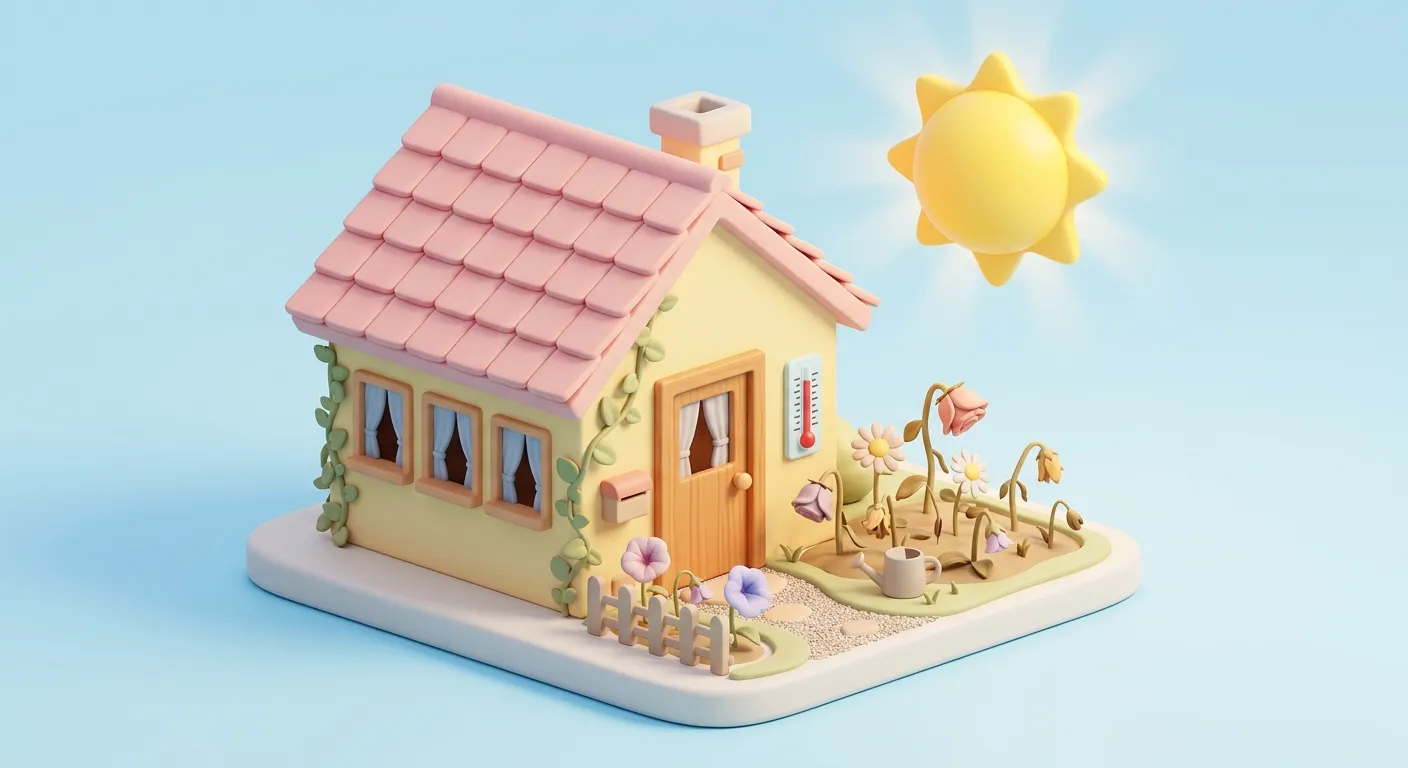
We get less efficient at keeping the body at a cool temperature as we age. National Institute on Aging explains older adults are less likely to sweat as much as they used to. Also, older adults cannot sense temperature changes, have chronic illnesses affecting their bodies’ response to heat, or both.
Some things that add to the danger of summer include:
- Medications: Some diuretics, beta-blockers, antihistamines, and antidepressants affect how the body perspires and drinks water. If your mom or dad is on any of these drugs, they may be at higher risk.
- Chronic illnesses: If your mom or dad has a heart condition, diabetes, or kidney issues, their bodies will handle summer heat stress less well.
- Living alone: If your parents live alone, they may not notice how hot they allow their houses to get, or they have cognitive problems making it even more likely that they don’t notice.
- Tight budgets: Many seniors on fixed incomes limit the amount they run their A/C, as they want to keep utility costs low and may put comfort over safety.
This is a combination of biology, medicines, and circumstances that make summer a time to exercise special care, so you have to help your mom or dad, regardless of whether she or he thinks they are OK.
What Temperature Is Too Hot for the Elderly?
It’s hard to say precisely, but the American Geriatrics Society advises homes for older adults not to exceed 80° F (27° C). If the outdoors temperature is 90° F (32° C), older adults will have a high risk of becoming sick.
So, if your parents are outdoors, here is a guide to what temperature is too hot for older adults:
- 80–89° F (27–32° C): Be cautious. Drink water to stay hydrated. Be out at the hottest time during the day.
- 90–99° F (32–37° C): This is high risk. If you can, hang inside in the A/C, and try and at minimum check your parents’ wellbeing once a day.
- 100 degrees Fahrenheit and more (+38 degrees Celsius): Hazardous; elderly adults should not go outside. Check on them several times that day.
The heat index is even more crucial than air temperatures. According to the National Weather Service, the heat index represents the combined temperature and moisture (relative humidity) in the air. In other words, it’s how hot it really feels. For instance, the heat index on a 92-degree day with 60% relative humidity is 105 degrees. So if your parents are located in a humid climate, the actual threat may be greater than the thermometer shows.
7 Summer Safety Tips For Aging Parents
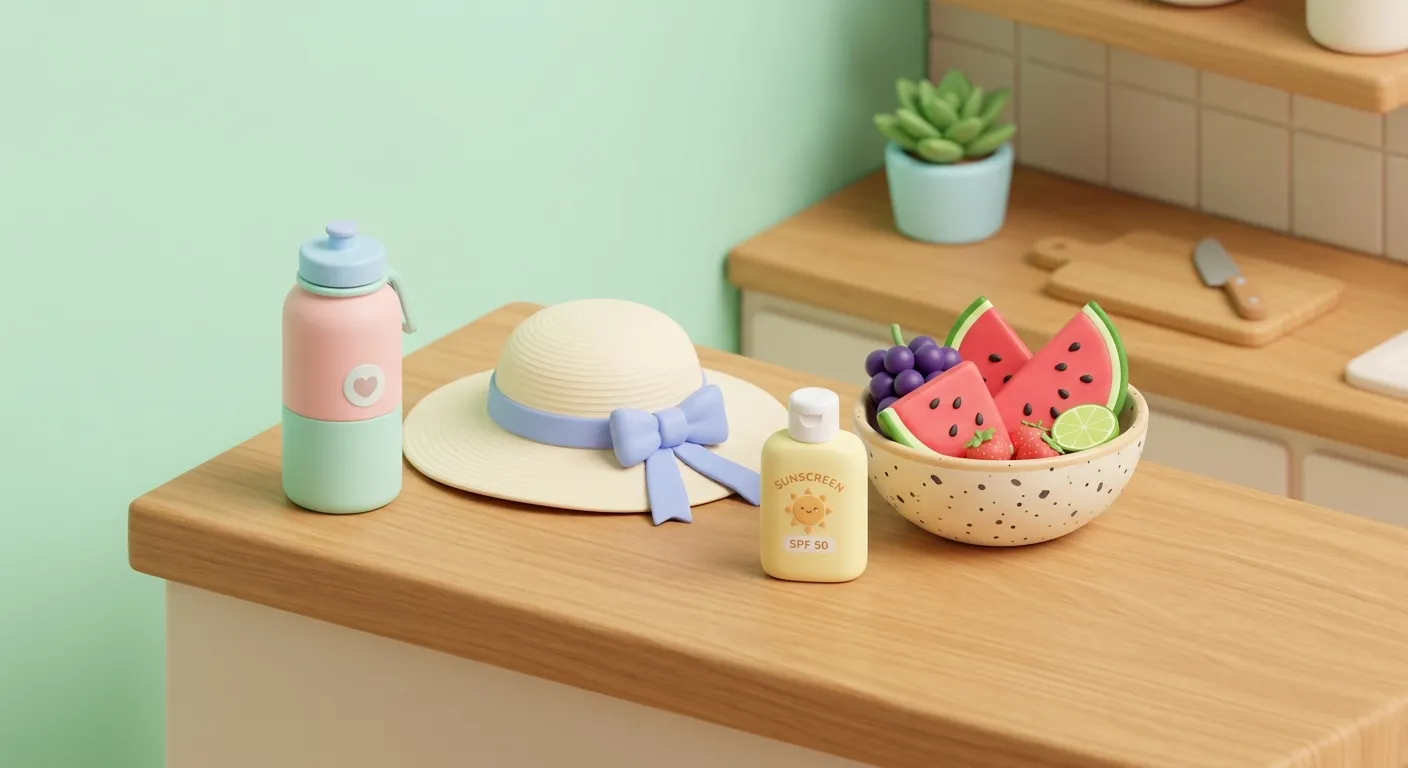
1. Make Sure They’re Drinking Enough Water
The most critical summertime risk for aging parents is dehydration. Our ability to sense thirst decreases with age, so your parents may not know how much water their body needs.
You need to make sure your loved ones drink at least 7 or 8 cups of water or other fluids a day — maybe more in hotter weather. Consider:
- Getting your parent a big water bottle marked with the time so they can keep an eye on how much they’ve had to drink that day
- Encouraging them to eat lots of water-filled foods, such as watermelon, cucumber, oranges, and even broth-based soups
- Letting them know that caffeine and alcohol can actually contribute to dehydration
- Having them set alarms on their phone to remind them to drink if they have dementia or forgetfulness
2. Help Them Cool Their House Down
A lot of seniors don’t like to run the AC during the summer. They might say it’s too expensive, too loud, or they just refuse to accept the notion that the air needs to be cooled. Have a chat with them about these concerns.
If cost is an issue, they might be eligible for help with cooling expenses as part of the Low-Income Home Energy Assistance Program (LIHEAP). It helps low-income households, particularly seniors 65 and older, stay cool by covering the cost of electricity, heating, and other fuel sources to keep their homes safe and comfortable. Other options are:
- Close blinds and drapes when the temperature peaks
- Use fans to keep air circulating (but that won’t help once the temperature is above 95 degrees Fahrenheit)
- Put a tray of ice in front of a fan as an easy way to cool the air
- Create a single room to use as a safe room if there is no A/C
3. Know Their Medication
Find out from your parent’s physician or pharmacist which drugs are more susceptible to hot weather. These are the most prevalent:
- Diuretics (water pills): They increase the amount of water lost from the body
- Beta blockers: They impair the body’s ability to raise heart rate in the heat
- Antihistamines: They can impair sweating
- Antipsychotics and some antidepressants: They can disrupt thermoregulation (temperature control)
- ACE inhibitors: They can increase dehydration
This isn’t necessarily going to mean stopping the prescription for your parents. Recognizing the risk is the first step; the real value comes when you’re able to change the other variables—adding more water and air conditioning and reducing the time outside.
4. Dress for the Heat
If your parent grew up in the days of always looking “proper,” they may be prone to wearing long sleeves and darker colors in July. Encourage instead:
- Light colored, loose fitting, lightweight clothing
- A wide-brimmed hat if being outside
- Sunscreen (SPF 30+) put on 15 minutes before heading outside
- Sunglasses to shield aging eyes from sun damage
5. Plan Around Peak Heat Hours
The most intense time of the day usually begins around 10 a.m. and lasts until 4 p.m. If your parent has errands to run or walks or a garden to tend to in the daytime, suggest doing them early in the morning or in the evening instead.
This is especially true for active or social parents: Help encourage them to schedule their routines to the heat rather than stopping entirely. A 7 a.m. morning stroll with a neighbor is much less risky than a 1 p.m. walk—and keeps the social interaction going.
6. Beware Summer Isolation
One thing most summer safety guides miss: When it gets too hot for your parent to head outside, you increase the likelihood of them becoming isolated. They’re not taking their daily walk. They aren’t visiting with the neighbors. The once-lively garden is unwatered and untended.
Social isolation increases the odds of dementia by 50 percent and increases depression as well, according to the National Institute on Aging. Check in more frequently on parents who spend their days inside a heat wave—not just about heat, but about how they feel in general.
You can make a big difference in combating summer isolation by maintaining connection. A weekly phone call helps, but something more tangible, like a family newsletter or handwritten letter, gives your parent something to hold and be excited about. Hug Letters will send a printed family newspaper every month to your grandparents, a small but important lifeline in long, hot, inside days.
7. Make an Emergency Plan
Talk with your parent ahead of time about what they would do if something went wrong:
- Make sure they know where the nearest cooling center is located (many libraries, malls, and community centers open their air-conditioned doors during heat waves)
- Make sure they have a medical alert system and that it is charged and working
- Leave a list of phone numbers on their fridge including their doctor’s, yours, and a neighbor’s
- Make sure a neighbor has your number and that they know to check in on them in the event of an emergency
How to Tell the Difference Between Heat Exhaustion and Heat Stroke in Your Elderly Parents
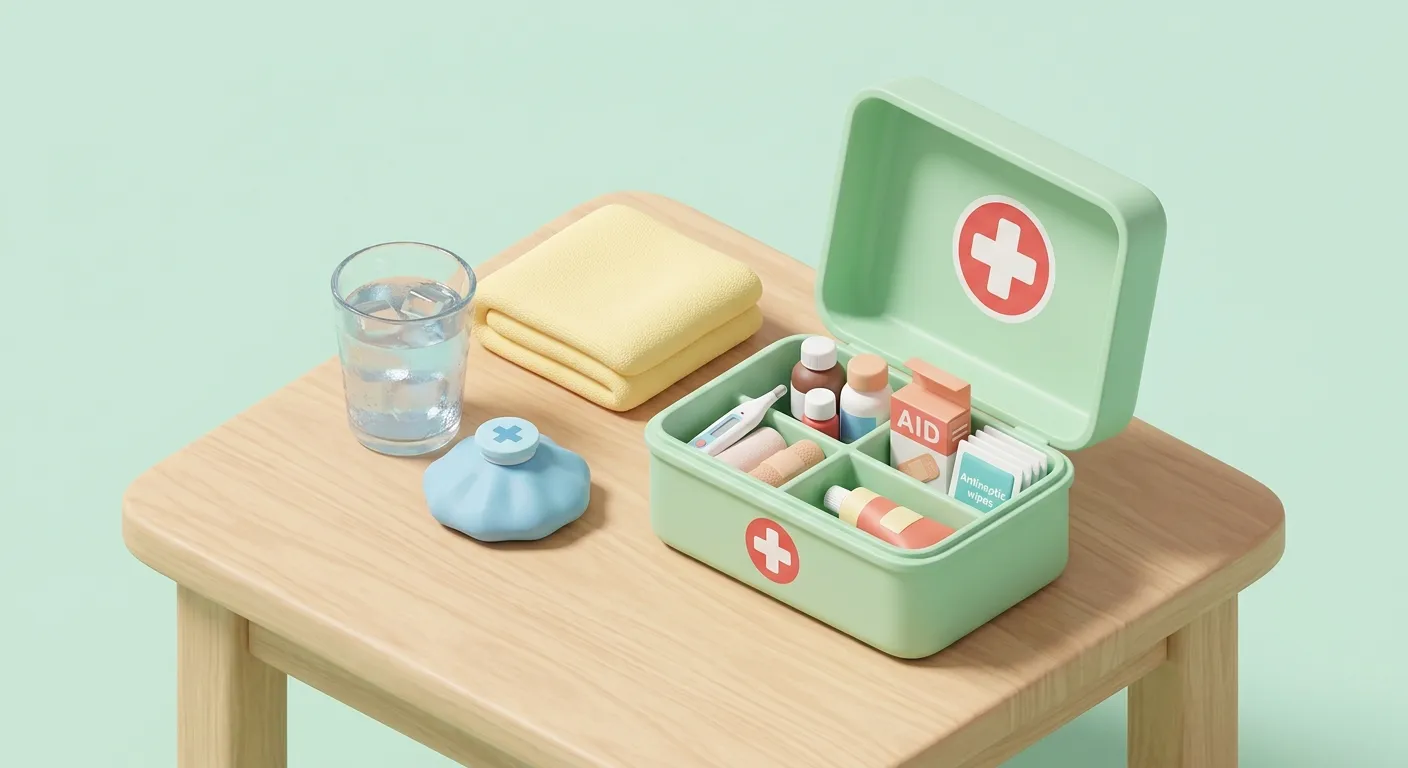
Heat exhaustion can quickly develop into heat stroke, which is a serious medical emergency. Every adult child should understand the differences.
Heat Exhaustion (take action)
- Extreme sweating
- Pale, cold, clammy skin
- Muscle cramps
- Tiredness and weakness
- Dizziness or nausea
- Headache
What to do: Take them to a cooler location and let them sip slowly on a glass of water. Place cool cloths on their skin. Call their doctor if the situation doesn’t get better within thirty minutes.
Heat Stroke (dial 911 right away)
- Body temperature over 103°F (39.4°C)
- Red, hot, dry skin without sweating
- Rapid pulse
- Confusion, incoherence, unconsciousness
- Vomiting or nausea
What to do: Call 911 and get them to a cool place. Place cool cloths or ice bags along their armpits, their neck, and their groin. If they are confused or unconscious, do NOT give them any fluids.
The major distinction between heat exhaustion and heat stroke is often confusion. If your parent is speaking in a manner that sounds unclear or disoriented on the phone on a particularly hot day, take it as a medical emergency.
What to do If You’re Worrying About Elderly Parents and a Summer Heat Wave
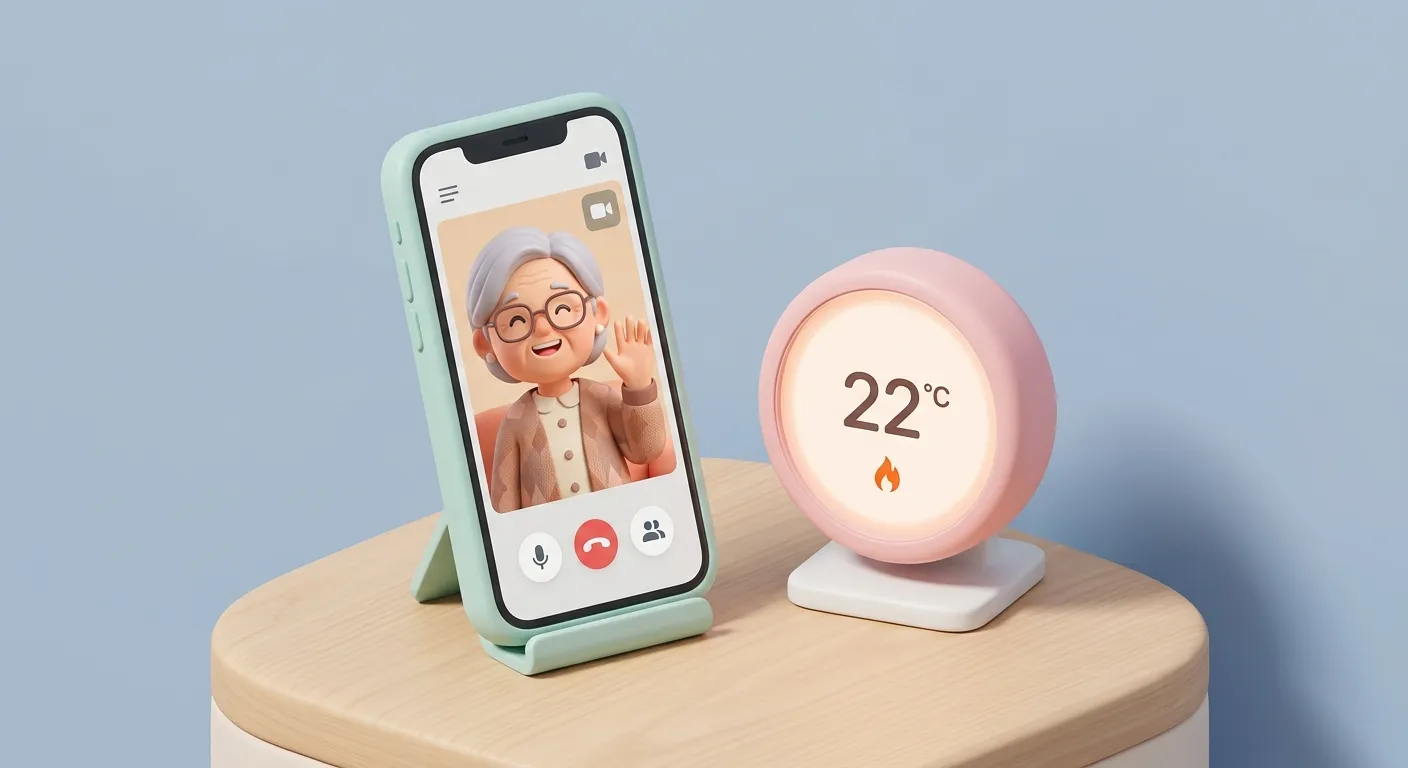
Summer heat waves can be extremely worrisome for you if your elderly parents are living far away. Here is a way to ensure you’re on top of your parent’s safety no matter how far away you live.
Call them (or FaceTime them) daily: Phone or video chat your parents at the same time every day when there is a heat wave in your area. If they don’t answer, arrange an alternative way to get information (such as a neighbor or friend, sibling, etc.) to swing by. For more advice on how to avoid turning your phone calls to your parents into an unpleasant welfare check, see our article on What to Talk About With Your Aging Parents.
Smart home tools: Smart thermostats like Ecobee or Nest allow you to monitor the temperature in their home remotely. Should you notice the indoor temperature rising, you can either call them or adjust the AC via your phone. There are also motion sensors and smart plugs which may provide clues about abnormal patterns.
Use the right questions: If you ask your parent if they’re alright, they may just say, “Yes, fine” even if they’re not. You should use more directed questions like:
- “How much water have you had today?”
- “Is the air conditioning running right now?”
- “What is the thermostat set to?”
- “Have you gone outside today?”
Establish a buddy system: Get a neighbor or a friend you trust to check on them during days of extreme heat. Additionally, many communities have organized volunteer “heat watch” programs — you can call your parent’s local Area Agency on Aging at 1-800-677-1116 to ask what’s available. For other methods on staying close when miles apart, consult our comprehensive guide.
Cool Summer Care Package Ideas for Aging Parents
Another practical way to assist from afar is to mail them a summer-themed safety care package. Here are some suggestions:
- A big water bottle with thermal insulation, marked with reminders to drink every hour
- Powdered electrolyte packets (use sugar-free for parents who are diabetic)
- Portable hand-held fan with a mist spray
- Cool cotton sleep shirts or lounge outfits
- Pump-squeeze sunscreen with at least SPF 30 (easier for parents with arthritis to spread)
- Reusable, self-chilling cooling blankets for the couch, that need only to be wetted
- A stand alone thermometer they can keep near the family TV to easily monitor the indoor temperature
For more gift suggestions to send your aging parents throughout the year, refer to this guide on care packages for elderly folks.
Frequently Asked Questions
At what outside temperature is it unsafe for seniors to go out?
For the general population, the CDC warns about health risks of extreme heat for adults age 65 and older, but also for infants, pregnant people, and those with preexisting conditions like asthma. If the temperature climbs above 90°F (32°C), heat is considered dangerously hot and it should especially be avoided during times with high humidity. The CDC advises older adults to spend time in air conditioning if the thermometer reaches this level. At 100°F or above, elderly adults should avoid going outside entirely.
Why are elderly people less aware of hot weather?
The body’s capability to detect changes in body temperature decreases as a person ages. It is more common for aging bodies to not sweat adequately, and for the thirst response to become less robust. These changes mean it is possible for older adults to become dehydrated, or overheat enough for heat exhaustion, before they know it is happening. Also, some prescription drugs can reduce the body’s perception of heat.
Do meds increase the risk of heat-related illness in seniors during summer?
Yes. Certain commonly prescribed medicines have the potential to worsen a person’s reaction to hot weather or dehydrate the body even more. These medications can include diuretics (water pills), beta-blockers, antihistamines, and some antipsychotics and antidepressants. Ask a pharmacist or doctor about any side effects of medications with hot weather for your mom or dad.
Keep Them Safe, Keep Them Connected
The summer months are for family barbecues, splashing in the backyard sprinkler with grandkids, and long lazy afternoons on the front porch, not a time of fear. By taking a few precautions now — reviewing if their air conditioners work, asking if their medications need changing, and establishing a daily phone call check-in — you can feel secure that your mom or dad are going to make it through the hot months.
But the single most vital thing you can do doesn’t have a box you can tick. Keep in contact. A phone call, a note, an email, a text, a family photo — these aren’t just reminders to drink more water. They are reminders of how they’re cherished. And that’s worth a lot in any season.

About Martin Gouy
Martin is the founder of Hug Letters. Hug Letters is a family newsletter for grandparents. Every month, grandparents receive a heartwarming newspaper with photos and stories from the whole family.