

You call your mom every Sunday. She says she is fine. But something doesn’t sound right in her voice. You can’t drive out there to check on her from 500 miles away. You worry for a week until your next phone call, and she says she’s fine.
Being a long-distance caregiver is one of the most difficult challenges an adult child can undertake. If you care for your aging parents from afar, you are not alone. The National Institute on Aging describes any person who lives more than an hour away from an individual needing care as a long-distance caregiver. About 5 to 7 million Americans, around 15 percent of all family caregivers in the United States, fit the profile. They live an average of 450 miles from their parents. They spend nearly $12,000 annually on care-related costs, including travel.
Distance does not have to mean helplessness. Here are practical long-distance caregiving strategies you can implement now to help your aging parents stay safe wherever you live.
Spot the Red Flags from Far Away
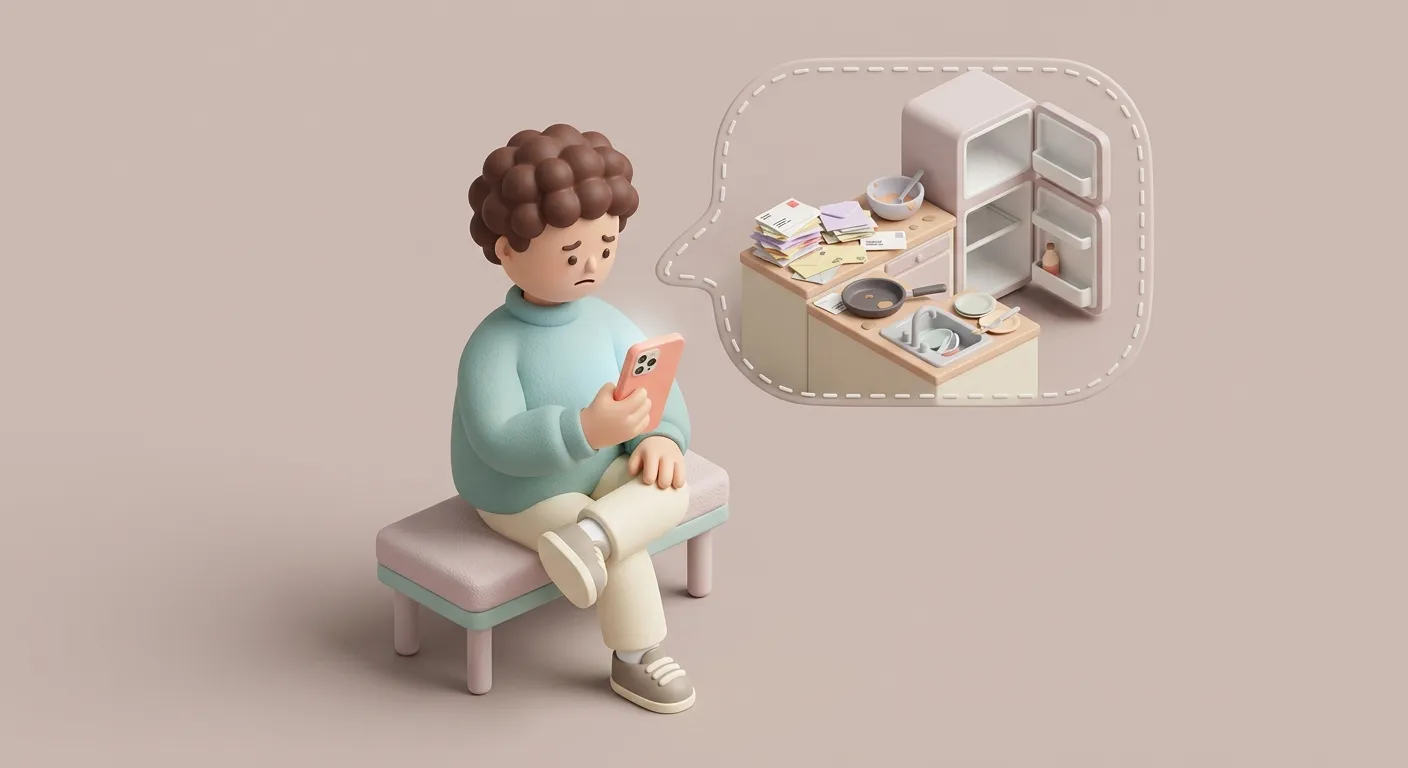
When you cannot see your parents on a regular basis, red flags can catch you by surprise. Learn to listen to the nuances of their voices and body language during phone calls, video chats, and in-person visits.
On the phone, listen for:
- Saying the same thing over and over again within the same call
- Being unusually tired, confused, or apathetic
- Skipping meals or not remembering to take medication
- Shying away from questions about daily activities
When visiting, look for:
- Unopened mail, late notices, or piles of unpaid bills
- Unusually cluttered living spaces or a neglected yard
- Expired food products in the refrigerator
- Recent dents on the car or a reluctance to drive
- Losing weight or looking less than well-groomed
If you find yourself ticking two or more of these boxes, it is time to take action. Our guide on 10 signs your aging parent needs help at home describes these warning signs and strategies in detail.

Build a Local Support Network
You do not have to be at home 24 hours a day to ensure your parents receive the care they need. You can build a team of trusted people and create a safety net for them.
Start by leveraging contacts that are in their life today. A neighbor who checks the mail can alert you if the blinds are never open. A local church friend can spot changes if they visit weekly. The postman might flag a pile of packages. It is often these everyday people who will notice red flags first.
Hire a geriatric care manager. Also referred to as an aging life care professional, these experts evaluate your parent’s current situation, coordinate services as needed, attend medical appointments, and act as eyes and ears on the ground. A directory of care managers is available by location search through the Aging Life Care Association. Rates vary by location, but most charge between $100 and $250 per hour. A consultation and assessment will go a long way toward reducing months of worry and uncertainty.
Explore local community resources. Your local community may offer programs and resources you didn’t know were available:
- Area Agency on Aging (find yours at eldercare.acl.gov)
- Meals on Wheels for daily nutrition and a wellness check
- Senior transportation services for medical appointments
- Adult day programs for socialization and supervision
- PACE programs (Program of All-Inclusive Care for the Elderly), which bundle medical care, social services, and in-home support for qualifying seniors
Create a caregiver cheat sheet. If you hire an in-home aide or rely on neighbors, prepare a one-page document with your parent’s daily routine, medication list, food preferences, emergency contacts, and a few personal details that help someone connect with them. Knowing that your dad loves baseball or that your mom takes her coffee with two sugars makes a real difference in the quality of daily care.

Technology Tools for Long-Distance Caregiving
Technology is not a full solution to the challenge of distant caring, but it helps bridge the gap. The right long-distance caregiving tools give you reassurance and help your parents live as independently as possible.
Stay connected daily:
- Set a regular schedule for video calls. Even a five-minute FaceTime check-in after dinner gives you a visual read on how things are progressing.
- Use a shared family calendar to track doctor appointments, medication refills, and visits from aides.
Monitor safety passively:
- Medical alert systems like Medical Guardian or Lively give your parent a wearable button that connects them to emergency help with one press.
- Smart home sensors can detect unusual patterns, like a front door that has not opened by noon or a stove that has been on too long.
- Automated pill dispensers with reminders and lockout features help prevent missed or double doses.
Coordinate care as a team:
- Apps like CareZone or Lotsa Helping Hands let siblings share updates, divide caregiving tasks, and track medications in one place.
- A shared Google Drive folder keeps scanned documents, insurance cards, and medical records accessible to everyone.
If your parents are not comfortable with technology, our guide on how to help elderly parents with technology has step-by-step strategies for introducing devices gently.

Plan Visits That Actually Help
When you live far away, you only have a limited amount of time to spend with your parents. But with a little advance planning, every trip can help in a tangible, meaningful way.
Book your trips around medical appointments. Offer to go with your parent to the doctor. You can ask questions they might be too nervous to ask, take notes, and get a clearer picture of their health. Between visits, ask your parent to sign a HIPAA authorization so doctors can share medical updates with you by phone.
Do a home safety walk-through. Each visit, do a quick scan: check smoke detectors, look for trip hazards like loose rugs, make sure grab bars are in the bathroom, and confirm that lighting is adequate in hallways and stairways.
Check the practical details. Open the fridge and pantry. Glance at the mail. Look at the car for new dents. These small observations tell you more about daily life than any phone call.
Resist the urge to fix everything in one weekend. Swooping in and rearranging the house feels productive, but it can leave your parent feeling overwhelmed or stripped of control. Focus on one or two priorities per visit and discuss changes together as a team.
For more ways to make your time together count, see our post on making visits with aging parents meaningful.

Legal and Financial Steps for Long-Distance Caregivers
It is even more important to have legal and financial affairs in order before an emergency hits if you do not live locally.
The documents every family needs:
- Healthcare power of attorney — authorizes you to make medical decisions if your parent cannot communicate their wishes
- Financial power of attorney — lets you pay bills, manage accounts, and handle finances on their behalf
- Advance directive or living will — outlines your parent’s wishes for end-of-life medical care
- HIPAA release — gives healthcare providers permission to share medical information with you
Organize everything digitally. Scan important documents and store them in a secure shared folder or digital vault. Include insurance cards, Medicare information, a current medication list, and contact details for all healthcare providers. When an emergency happens at 2 a.m., you need this information accessible from your phone, not locked in a filing cabinet 500 miles away.
Have the money conversation. If you have not had this conversation with your parents yet, our guide on how to talk to aging parents about finances can help you start it with care.

Managing Long-Distance Caregiver Guilt and Burnout
Nearly 70 percent of family caregivers describe experiencing emotional exhaustion, and for long-distance caregivers, guilt often adds to that burden. Maybe you are wondering if you should relocate to be closer. Perhaps you feel guilty that a sibling lives nearby and handles more of the daily work. You may be questioning whether you are doing enough.
Name the guilt for what it is. Guilt is a signal of love and caring, not proof that you are failing. Living far away does not make you a bad son or daughter. It means you have to care differently, not less.
Support the primary caregiver. If a sibling lives closer and handles most of the daily tasks, do all you can to make their life easier. Take on responsibilities they cannot handle in person: researching care options, managing insurance claims, coordinating family updates, and answering the phone after dark. Our guide on splitting caregiving responsibilities with siblings has a framework for dividing tasks fairly.
Take care of yourself. Join a caregiver support group locally or through an organization like the Family Caregiver Alliance online. Talk to a therapist if the emotional toll becomes too much. You cannot care for others while you are running on empty.
Should you move closer? That is a deeply personal decision. Before making it, consider: Can you realistically find work in their area? Would your parent actually want you to uproot your life? Are there other ways to increase support without relocating? Sometimes the answer is not moving but investing that energy into building a stronger local support network.

Keep Grandchildren Connected Across the Miles
One aspect of long-distance caregiving that often gets overlooked is keeping the grandparent-grandchild bond strong when miles separate them. For your aging parents, grandchildren can be one of their biggest sources of joy and purpose.
Make it a routine, not a special occasion. A weekly FaceTime call where your child shows Grandma their art project or reads a page of their book does more for your parent’s well-being than a quarterly visit. Loneliness increases the risk of dementia by 31 percent, according to the National Institute on Aging, and regular contact with grandchildren is one of the simplest ways to combat social isolation.
Send something tangible. In a world of screens, physical mail still matters most to the generation that grew up writing letters. A hand-drawn picture from a five-year-old, a printed photo from a school event, or a monthly family newsletter that arrives in the mailbox gives your parent something to hold, reread, and show their friends. Services like Hug Letters print and mail a personalized family newspaper each month, turning your family’s everyday moments into something your parents can enjoy without needing a smartphone.
Involve kids in caregiving in age-appropriate ways. A teenager can make the regular Sunday check-in call. A grade-schooler can decorate a care package. Even a toddler’s voice on the phone brightens a grandparent’s entire day.
For more strategies, explore our guide on long-distance grandparenting.
Frequently Asked Questions
How often should I visit aging parents who live far away?
There is no single right answer, but most geriatric care specialists suggest a minimum of once every three to four months if at all possible. If your parent’s health is declining rapidly, quarterly visits may not be enough, and you may need to supplement with more frequent video calls and a stronger local support team.
Does Medicare cover in-home care for aging parents?
Medicare covers limited home health services, including skilled nursing and physical therapy, when ordered by a doctor. It does not cover ongoing personal care like bathing, dressing, or meal preparation. Medicaid may cover these services depending on the state. Long-term care insurance, if your parent has a policy, is another option.
What is a geriatric care manager and do I need one?
A geriatric care manager (also called an aging life care professional) is a specialist, usually a nurse or social worker, who evaluates your parent’s needs, coordinates services, and advocates for their care. If you live far away and cannot manage logistics in person, a care manager is one of the most valuable investments you can make.
How do I talk to my parent about accepting help?
Start the conversation from a place of love, not control. Focus on what they want to keep doing rather than what they can no longer do. Instead of saying “you need help,” try “I want to make sure you can keep living at home as long as possible, and here is how we can make that happen.” Our post on what to do when elderly parents refuse help has more conversation strategies.
You Are Still Their Person
Long-distance caregiving will never feel like enough. That is the hardest truth about it. But the parent who hears your voice on the phone every week, who gets a handwritten note from their grandchild in the mail, who knows that you spent your Saturday researching home care options for them — that parent knows they are loved.
Start with one step. Build the team. Set up the systems. And remember that showing up does not always mean being in the same room. Sometimes it means being the one who calls, who coordinates, who refuses to let distance become disconnection.

About Martin Gouy
Martin is the founder of Hug Letters. Hug Letters is a family newsletter for grandparents. Every month, grandparents receive a heartwarming newspaper with photos and stories from the whole family.